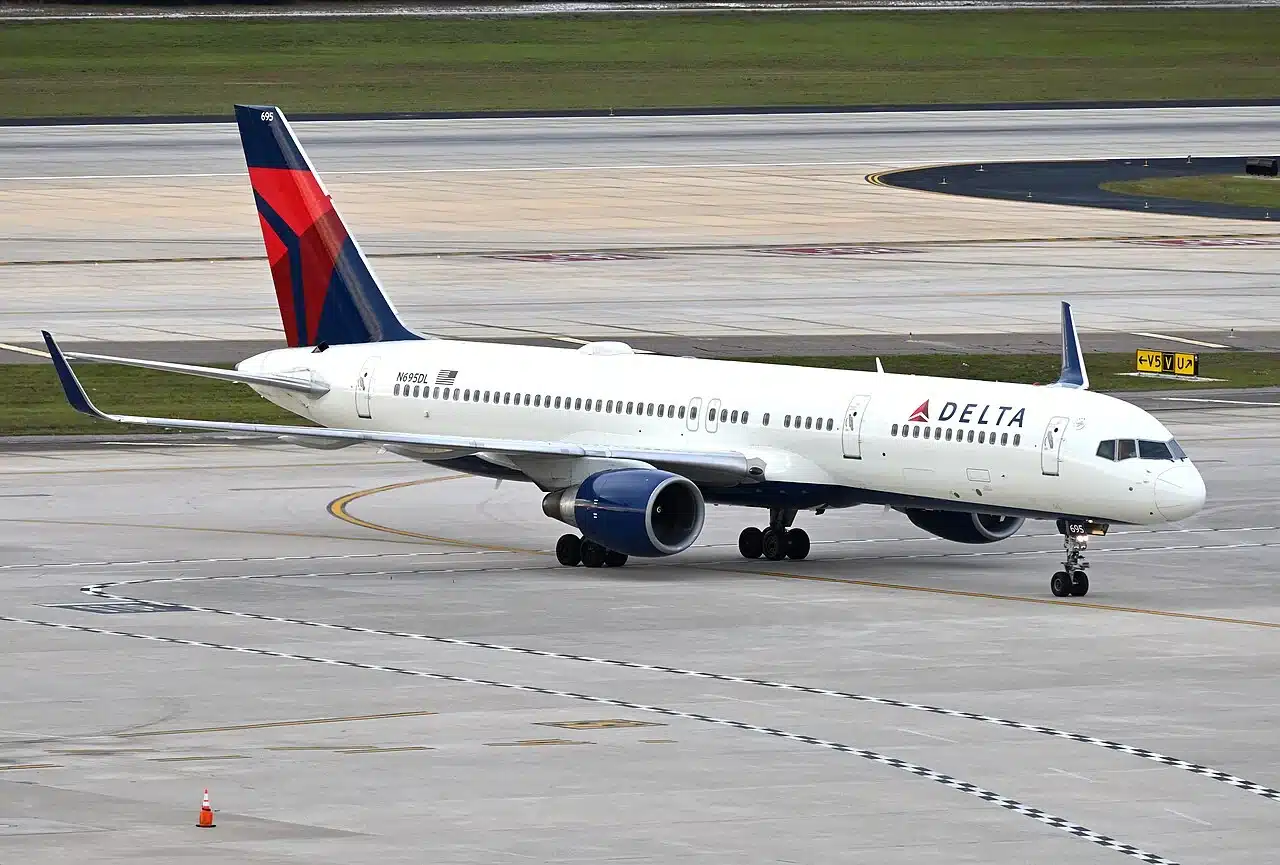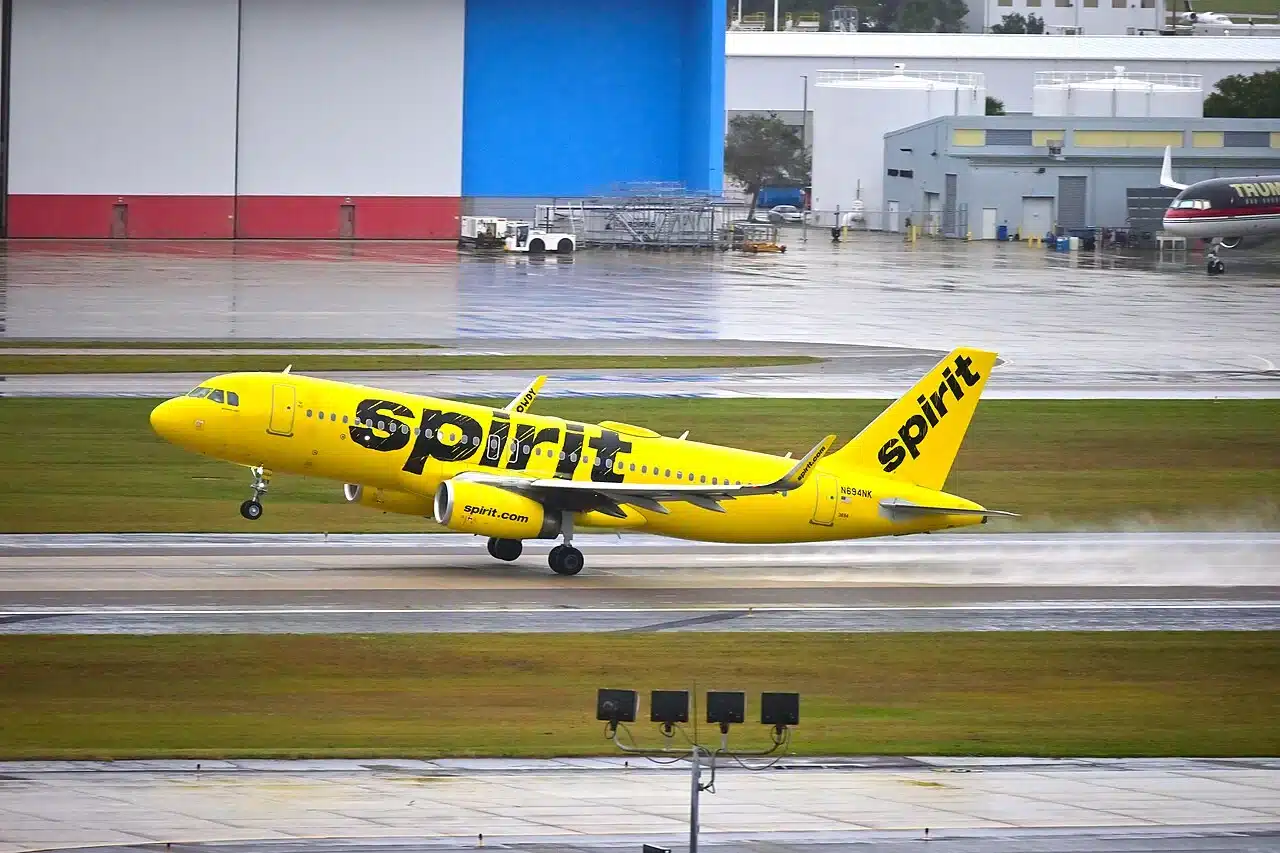
Spirit Controlled 1 in 6 Low-Cost Seats From NYC. JetBlue Now Has To Own It.
Spirit Airlines held 15% of NYC's low-cost market. With those seats gone, we break down who's filling the gap and what it means for New York travelers.

Spirit Airlines held 15% of NYC’s low-cost market. With those seats gone, we break down who’s filling the gap and what it means for New York travelers.
Spirit Airlines’ departure from the U.S. airline industry was sad and, honestly, not great for the industry as a whole. The airline played an important role in the ULCC space, functioning as part of the arm of airlines that helped keep competitor fares down. There are numerous outlets providing different angles as to why Spirit went down and the impact it has on the airline industry, but we’re going to take a more regional approach.
NYC travelers lost a major competitor for low-cost travel. Spirit Airlines’ market share among low-cost travelers flying from Newark, JFK, and LaGuardia in 2025 was 15.85%. Roughly one out of every six low-cost seats in the market. While it’s not a majority, it’s still a meaningful blow as there is one less competitor for customers to choose from.
Now it appears the only worthy option for this niche demographic is JetBlue Airways. Has JetBlue done anything about Spirit’s departure? What about the other low-cost competitors? We’ll take a look at what this all means and what’s been done to remedy the situation for NYC travelers.
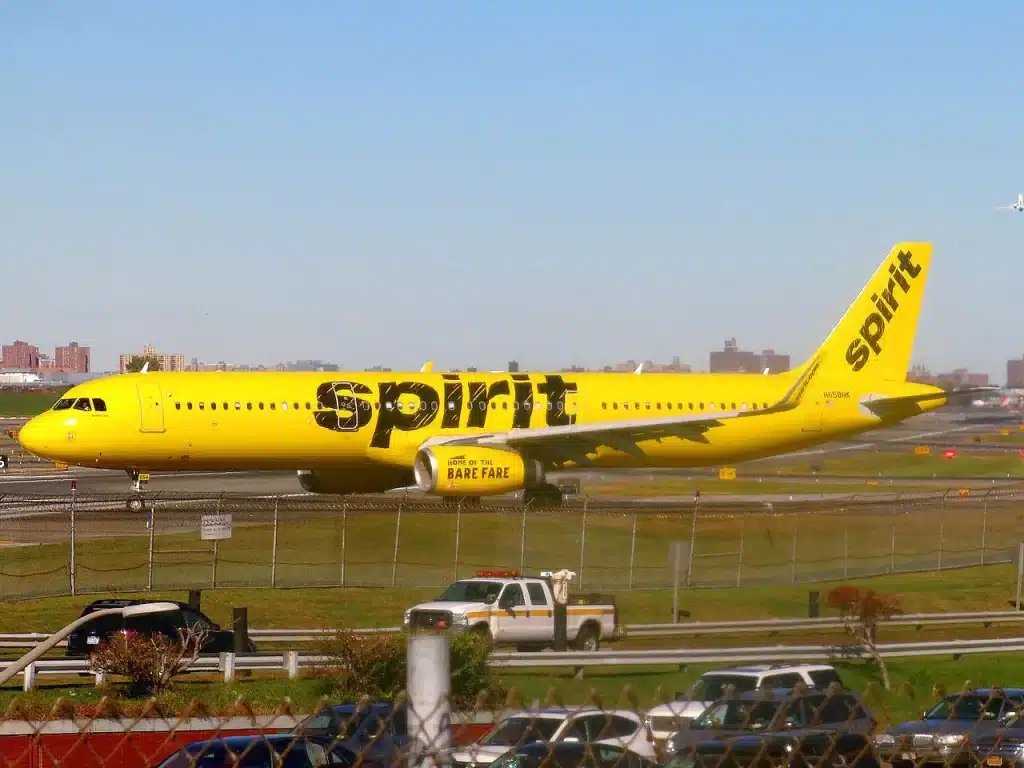
It’s pretty well understood that New York City is a gateway city for travel. With three large international airports within a 25-mile radius, there’s a wide variety of flying happening for all kinds of customers.
While there’s plenty of wealth spread around the city, but there’s plenty of people struggling to make ends meet. In 2023, NYC experienced 25% of the population living in poverty. For the average New York City resident, travel is becoming a luxury. These are exactly the types of people that ultra low-cost airlines like Spirit were meant to serve.
| Airline | Seats Offered | Passengers | Load Factors | % of whole seats offered |
| Spirit Airlines | 5,594,612 | 4,540,719 | 81.16% | 15.85% |
| JetBlue Airways | 25,561,448 | 20,676,109 | 80.89% | 72.20% |
| Frontier Airlines | 2,919,606 | 2,372,788 | 81.27% | 8.28% |
| Alaska Airlines | 1,219,874 | 1,047,445 | 85.86% | 3.65% |
| NYC Low Cost Travel | 35,295,540 | 28,637,061 | 81.13% | 100% |
According to BTS data from 2025, Spirit captured the second-highest market share among low-cost carriers in the New York region. It was never going to compete head-to-head with JetBlue, who literally branded themselves as New York’s airline.
Spirit consolidated their NYC operations at Newark Liberty International Airport and LaGuardia Airport, staying well clear of JetBlue’s stronghold at JFK. Directly, there wasn’t much competition. But indirectly, with all three airports serving the same metro market, they were absolutely fighting over the same travelers.
Now that Spirit is gone, someone needs to fill that 15% of capacity that seemingly vanished overnight. The remaining low-cost carriers in the region combined don’t come close to matching what Spirit put in. To understand who might step up, we first need to understand exactly which routes were lost.
New York City was never a Spirit hub, but it was a designated focus city for the ultra low-cost carrier. Even as Spirit navigated bankruptcy proceedings, they signaled their intent to maintain and grow service from the New York area alongside Detroit and Fort Lauderdale.
Now with Spirit out of the picture, the 2025 data tells a clear story about where New Yorkers feel it most.
| City | Departures | Seats | Passengers |
| Dallas | 1,274 | 244,391 | 217,668 |
| Detroit | 2,838 | 528,561 | 413,219 |
| Fort Lauderdale | 4,682 | 931,105 | 804,199 |
| Orlando | 4,104 | 781,415 | 673,932 |
| Miami | 1,827 | 324,556 | 280,978 |
The largest segment of affected travelers are those flying to Florida. They fly mostly for leisure or international connections. The three major Florida markets accounted for the bulk of Spirit’s Newark and LaGuardia seat capacity. Outside of Florida, the impact on the average NYC traveler is more limited.
Detroit was a major Spirit hub and served as a connecting point across the country, but it lacks the business draw of Dallas or the tourist pull of Florida. Dallas has solid business appeal but similarly doesn’t carry the leisure demand that made the Florida routes so heavily traveled.
The biggest loss for NYC travelers, though, isn’t any single route. It’s the Spirit Effect. Whenever Spirit entered a market, competing airlines typically dropped their fares to stay price-competitive with the ultra low-cost carrier. With Spirit gone, New York City travelers will almost certainly see higher baseline fares across these corridors.
There’s really only one candidate for a direct replacement in the New York City market, and it’s JetBlue Airways. And it’s less of a replacement than an absorption. Spirit’s market share is essentially sitting there waiting to be claimed, and it lands right in JetBlue’s lap.
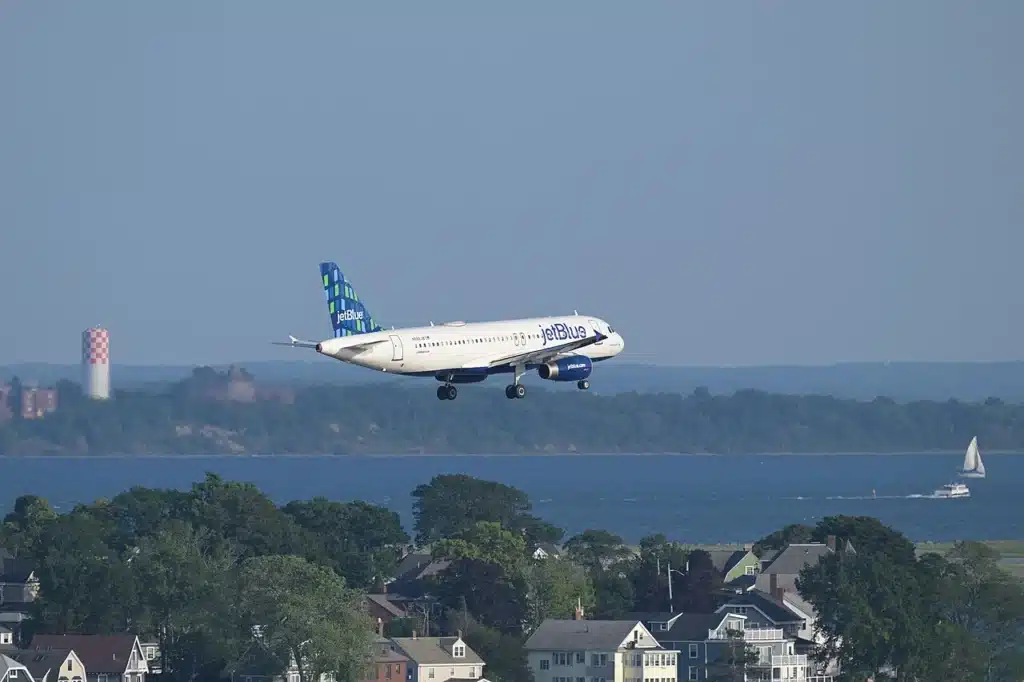
JetBlue has its own challenges to work through, but one of the core pillars of their JetForward strategy is consolidating operations around New York and Boston, funneling traffic through those cities to Florida and Latin America. That’s almost exactly what Spirit was doing from NYC.
The route level data backs this up. JetBlue was already running significantly more capacity on Spirit’s two highest-volume corridors in 2025. Spirit ceasing and exiting the New York City market had barely showed up as a blip on JetBlue’s radar. But you know for sure that the low cost carrier paid close attention to all developments in the Spirit saga.
| Airline | Route Pairing | Schedule Departures | Scheduled Seats |
| JetBlue | NYC – FLL | 9,252 | 1,511,152 |
| Spirit | NYC – FLL | 4,682 | 931,105 |
| JetBlue | NYC – MCO | 10,614 | 1,698,013 |
| Spirit | NYC – MCO | 4,104 | 781,415 |
Shortly after Spirit ceased operations, JetBlue announced additional service from Fort Lauderdale to absorb some of that lost capacity. They didn’t need to make dramatic changes on the New York end. They’re already dominant there. But they do need to reassure NYC travelers that low fares aren’t going away with Spirit, and that JetBlue is ready to own that role.
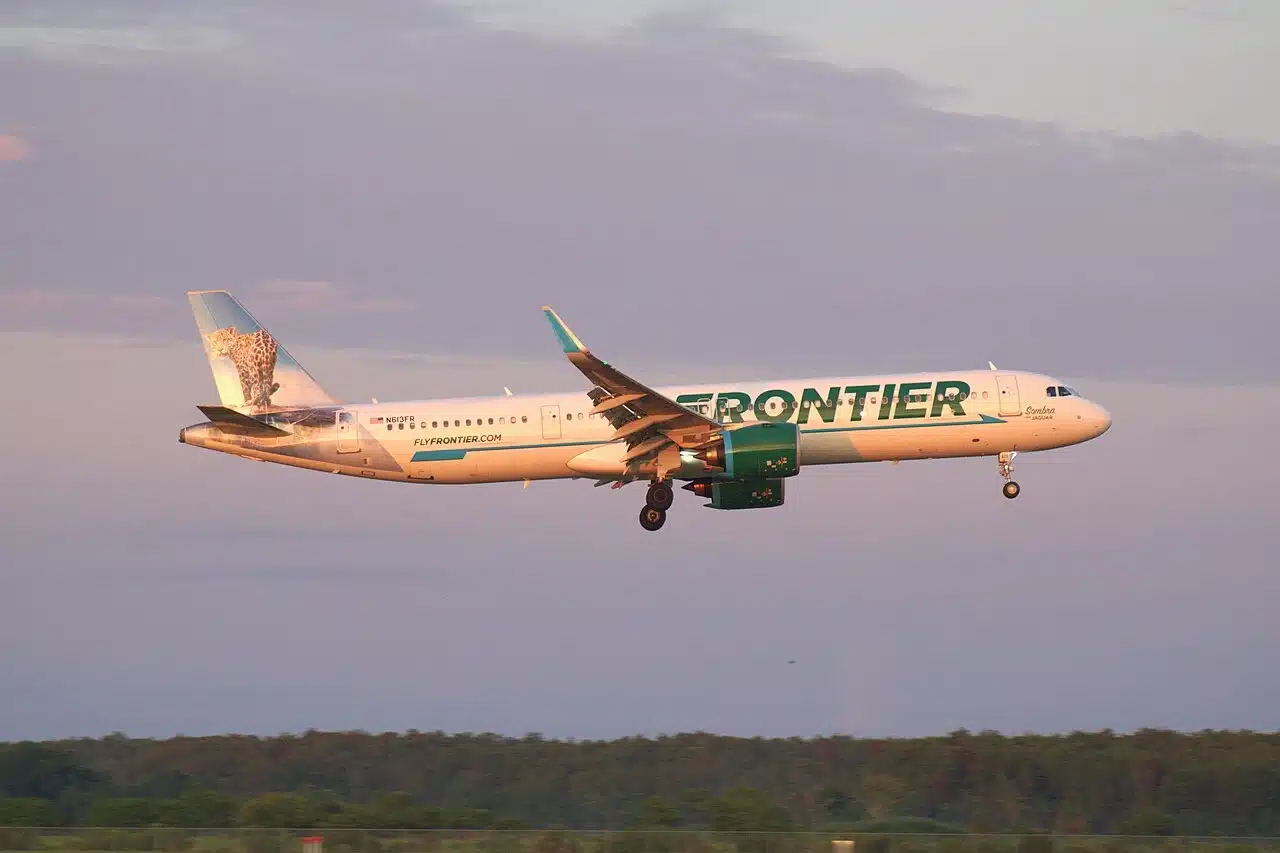
As for the other low-cost options…Frontier has largely pulled out of JFK, and Alaska Airlines operates JFK and Newark in an entirely different capacity. Alaska connects large East Coast markets to Seattle and West Coast business centers. Neither is positioned to fill the ULCC void Spirit left behind.
The less appealing scenario is United or Delta stepping in and adding volume on Spirit’s old routes. That does nothing for cost-conscious travelers. And if JetBlue itself gets acquired by United without maintaining independent operations, New Yorkers end up with virtually no low-cost options and higher fares.
We’ve been candid in recent articles about JetBlue’s struggles and our view that a United acquisition is a real possibility. JetBlue has denied a potential acquisition or bankruptcy but only looking as far out as 2026.
Now that Spirit has gone down the way it did, it’s hard to imagine the U.S. government standing by while another low-cost carrier collapses.
The Spirit situation deteriorated fast. They sought emergency government assistance, but creditors and the government couldn’t agree to terms. By historic standards, this is a rare and unfortunate outcome.
Many of the legacy carriers post 9/11 struggled and received financial assistance from the government to keep them afloat. Most of the airlines left standing today were also recipients of payroll protection due to the effects of the COVID-19 pandemic.
Spirit becoming the largest airline so far in the 21st century to completely fail, leaving customers, employees, and aircraft stranded, is a scenario that won’t be forgotten quickly. The government did have a role in that outcome, and that alone can weigh on similar matters going forward.
So even with JetBlue’s future uncertain to the point that its founder David Neeleman publicly suggested the airline could go bankrupt, a sudden, unmanaged collapse seems unlikely. The more probable path is a facilitated acquisition or merger. Perhaps, a soft landing rather than a crash for JetBlue.
Our best-case scenario for New Yorkers remains a United acquisition where JetBlue continues operating as a distinct leisure-focused brand. Think of what TED was for United in the early 2000s.
TED was a high-density, lower-fare product aimed at the leisure traveler to better compete with, guess who, JetBlue Airways.
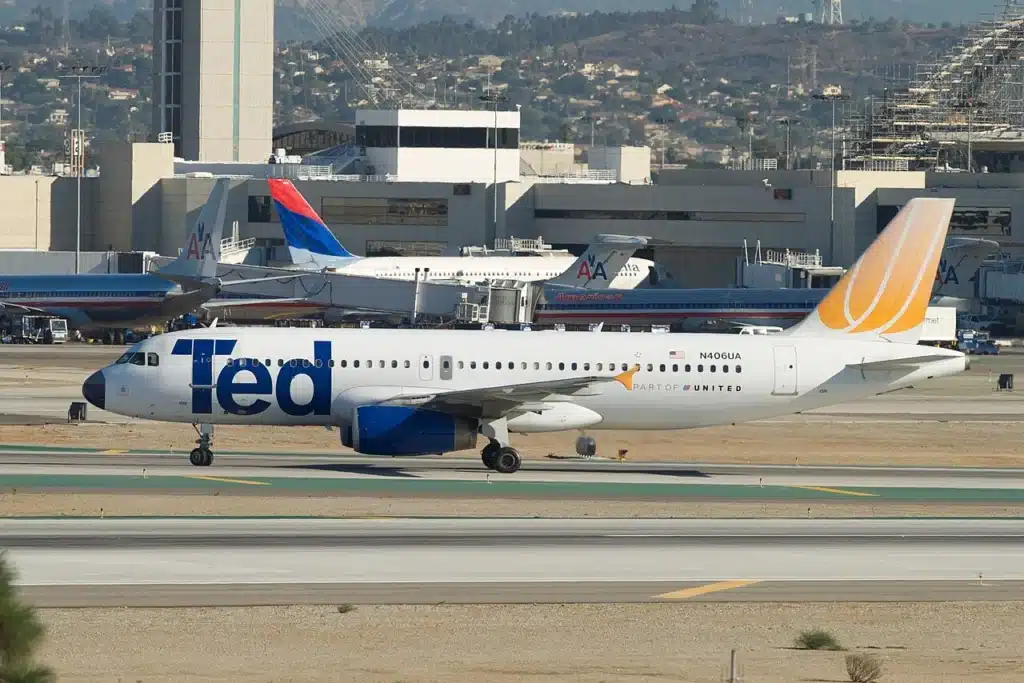
But our vision for JetBlue-United would be continuing to leverage JetBlue’s strong brand, better product, and established network handling the leisure and price-sensitive routes. United handles high-yield business and international flying. For low-cost longevity in New York, that structure could actually work well.
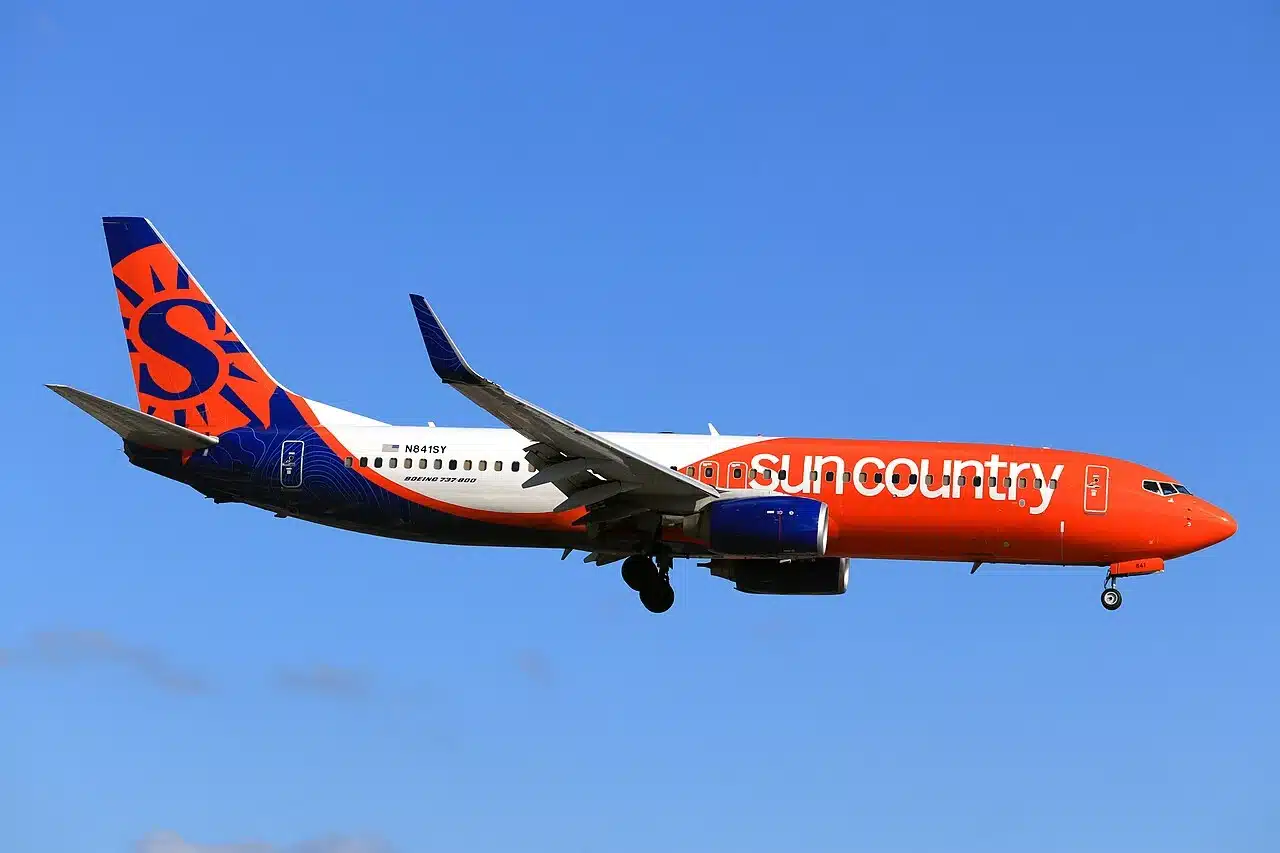
A JetBlue-Frontier merger is another option worth considering. It’s an angle we haven’t explored much before. It would follow the same acquisition playbook like Allegiant and Sun Country who opted for finding stability through combined focus rather than scaling on their own.
Frontier brings the cost discipline JetBlue needs. JetBlue brings the brand equity, network, and premium product Frontier has never had.
There’s a real argument that U.S. low-cost carriers need to consolidate to survive the current environment, and this pairing isn’t as unlikely as it might sound.
But Frontier is also losing money. Sometimes, two wrongs make a right. But in the airline industry, board rooms would likely want to keep their distance from this sort of arrangement.
Spirit Airlines’ exit is going to hurt. For its core focus cities, New York included, the impact is significant. The second-largest low-cost option in the market is gone, leaving JetBlue as the last real choice for budget-conscious NYC travelers.
But this is also JetBlue’s moment. They now have near-unrivaled access to the Florida market from New York. They’ve always been the New York airline. Now they have the opportunity to become the Florida airline too.
They’re already moving on it with expanded Fort Lauderdale service. The next step is making sure cost-conscious travelers here in New York City know JetBlue is ready to own that role.
JetBlue has its troubles, but New Yorkers don’t need to panic. The government isn’t likely to let another low-cost carrier collapse after the Spirit fallout.
Whether JetBlue emerges independently, merges with Frontier, or operates under United’s umbrella, low-cost access from New York City isn’t going away. The landscape is shifting but it’s not disappearing.