Unlocking Southwest’s Boeing 737 Max 8: Key Facts That You Should Know
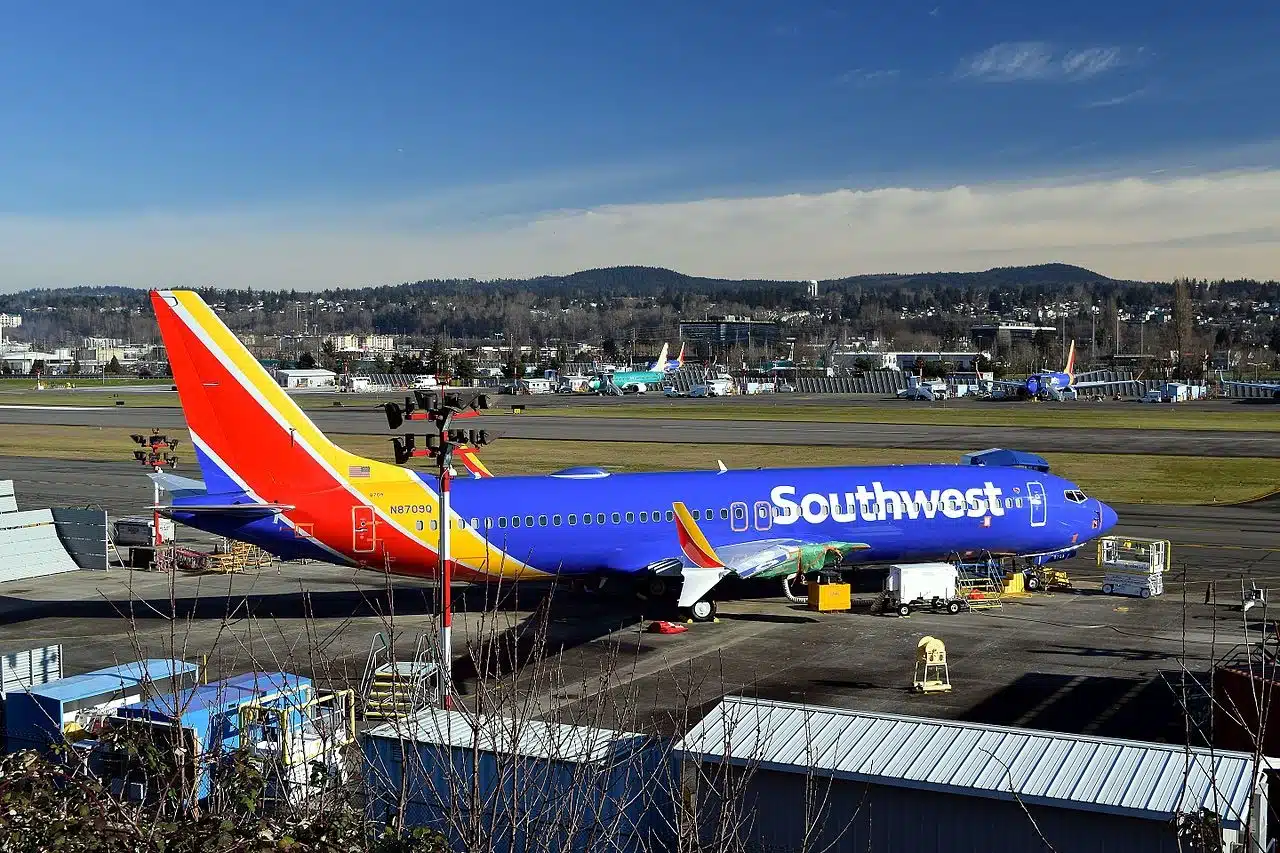
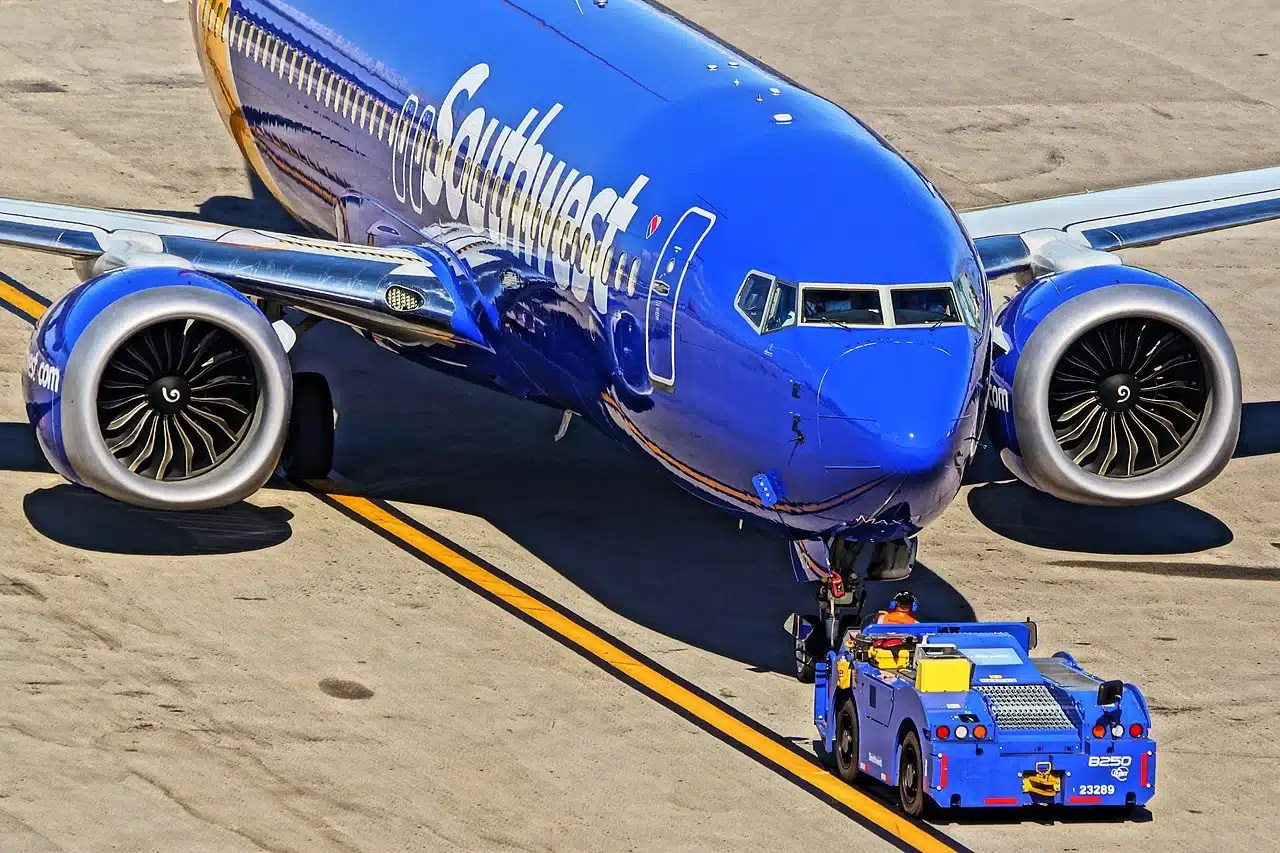
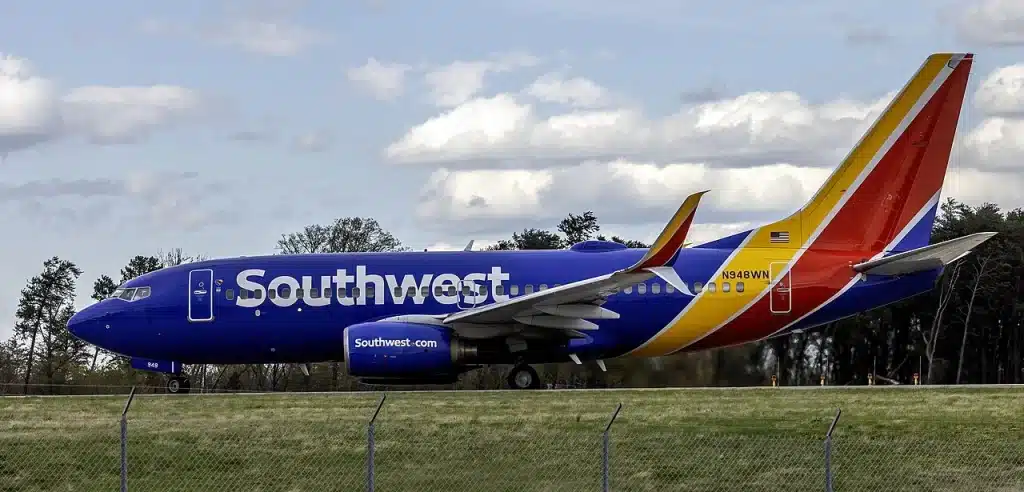
Southwest Airlines is the world's largest operator of the Boeing 737 Max 8. Find out everything you need to know about this aircraft before you fly!

Southwest Airlines will be launching their own Burbank – Honolulu service starting in 2026. This move appears to be a counter to Alaska Airlines announcement.
Southwest Airlines is inserting itself as a strategic challenge to Alaska Airlines on the West Coast, with the latest critical battleground being Hawaii. Earlier this fall, Alaska announced new service between Honolulu and Burbank, reviving an old Aloha Airlines route dormant since 2005. Southwest has quickly countered with its own Honolulu-Burbank flights, making it very clear that there’s a strategy in place to check Alaska’s expansion.
In this analysis, we’ll examine Southwest’s new Hawaiian service, compare it to Alaska’s offering, and predict which airline will dominate this route.
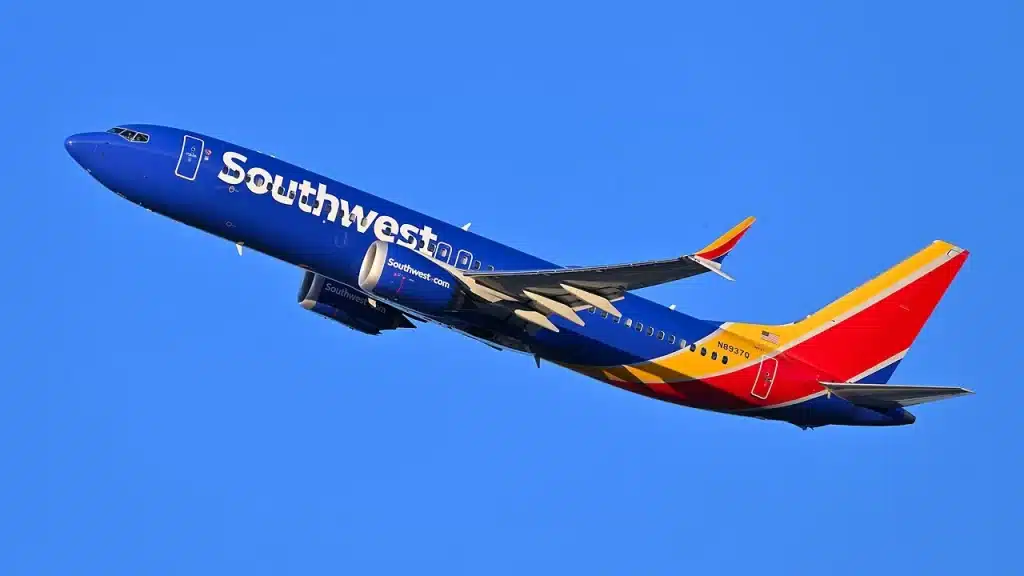
Southwest Airlines will start flights between Honolulu’s Daniel K. Inouye International Airport and Hollywood Burbank Airport on August 4th, 2026. The service will be flown daily, likely using the Boeing 737 Max 8.
This marks Southwest’s first route addition to their Hawaiian network since entering the market in 2022. The Burbank decision mirrors a broader industry shift against operating from Los Angeles International Airport. With a new terminal opening in 2026 and significantly cheaper operational costs than LAX, Burbank is quickly becoming a preferred West Coast gateway for airlines.
With this addition, Southwest will be serving four Hawaiian cities from seven West Coast departure points.
Alaska Airlines appears to be the dominant airline on the West Coast following its Hawaiian Airlines acquisition. The airline has not only expanded its reach but its fleet as well, as Hawaiian’s Boeing 787 Dreamliners have been absorbed into Alaska’s fleet. However, the merger has proceeded with some customer friction.
Many Hawaii passengers have reacted negatively to Alaska’s takeover of their beloved home carrier. One Facebook user lamented: “The end of a great airline. I love Hawaiian airlines. Sorry to see this merger.” A Reddit user expressed stronger sentiment: “This merger is shameful. Been living here for over twenty years and flying HA is like family as I live in another city also and go back and forth regularly. They ruined it.”
The growing pains of the merger is compounded by potential branding issues. Alaska continues to operate mainland – Hawaii routes under its own brand while keeping the Hawaiian Airlines brand as a separate entity, also flying mainland – Hawaii routes. This creates a confusing mix of Alaska and Hawaiian branded flights serving the West Coast. This is a potential marketing nightmare as two separate brands under one parent risk cannibalizing each other.
Both brands ultimately feed the same corporate bottom line now, but Alaska and Hawaiian historically offered two different value propositions for Hawaii-mainland service. Until these brands both get on the same page operationally and in customer perception, expect continued pain points. Southwest stands ready to capture frustrated customers unwilling to continue flying with Alaska-Hawaiian joint ventures as they iron out the kinks.
This dynamic creates a special opportunity for Southwest. The carrier already ranks as Hawaii’s second most prominent airline after Hawaiian. They operate the only competition to Hawaiian’s inter-island network. If Southwest completes an aggressive marketing campaign, positioning itself as the Hawaii-friendly alternative, Southwest might not only compete more effectively with Hawaiian but potentially maintain clear separation from Alaska on mainland routes.
Southwest’s most powerful weapon in their race with Alaska is its nationwide network. The carrier serves nearly every U.S state, providing unrivaled access for connecting traffic across the country to supplement its demand for flights to Hawaii. While Burbank may not be passengers’ most ideal connection point, lower operating costs at this airport could mean cheaper fares for passengers that use Burbank for connections, instead of routing through LAX or Phoenix.
Alaska Airlines just cannot match Southwest’s primary advantage. While Alaska definitely dominates Washington State, Seattle – Tacoma International, and increasingly the broader West Coast, its domestic service is still heavily concentrated in a niche market. Right now, most of the domestic service funnels through SeaTac and San Francisco to points on the West Coast, with some transcontinental flights sprinkled in. This narrower geographic focus might make generating sufficient traffic to sustain Burbank-Honolulu service challenging. You have to also take into consideration that Hawaiian Airlines is still running narrowbody flights to airports all along the West Coast to Hawaii as well.
If Southwest performs an effective pricing strategy and marketing campaign, it could definitely be a thorn in the side of Alaska’s West Coast – Hawaii operations. This all banks on if customer reaction to Southwest’s recent changes to their cabin product and policy remains positive.
Southwest is currently overhauling its cabin product to remain competitive. For years, the airlines operated with a simple formula: single economy cabin, no assigned seating, and free checked bags. That’s all going away. Southwest will be introducing a premium class, assigned seating, and other enhancements to boost customer perception of quality and bottomline revenue.
Despite these improvements, Southwest’s cabin product won’t match Alaska’s offerings. Southwest functions primarily as a low-cost leisure airline. It’s ideal for budget conscious vacation travelers. Alaska on the other hand, offers substantial premium options including First Class and Premium Economy. Along with benefits that Southwest doesn’t provide.
Passengers seeking luxury travel between Hawaii and Los Angeles via Burbank may prefer Alaska. However, the majority of customers traveling this route are likely island residents or leisure vacationers for which cost value will be more of importance than premium amenities. For this demographic, Southwest would remain the more attractive option despite its inferior cabin product.
The Burbank-Honolulu route represents more than a single niche market. It’s a proxy battle for West Coast dominance and customer loyalty.
Southwest and Alaska are very similar airlines. But evidenced by its recent moves, Southwest clearly feels threatened by Alaska’s aggressive expansion and Hawaiian acquisition. The carrier has become super sensitive to Alaska’s shifts, recently announcing Anchorage service and going as far as considering expanding internationally to Iceland. Both markets Alaska has current operations or expressed interest in serving. Southwest is challenging Alaska across multiple fronts, all at the same time.
Southwest will likely outpace Alaska on the Burbank – Honolulu route. Southwest’s nationwide brand recognition and appeal will make it continue to be the natural choice for domestic connecting passengers.
The carrier’s legacy in both mainland markets and inter-island Hawaiian operations will create a seamless connectivity that Alaska as of now, cannot replicate. However, this won’t last long due to Alaska’s ambitions to become the premiere West Coast carrier.
Southwest can further strengthen its position against Alaska by consolidating its Los Angeles-area operations to the alternative airports. Exiting LAX will shift focus on Burbank, Long Beach, and Ontario. They each would provide greater Los Angeles coverage for Hawaii service while also generating cost advantages that using secondary airports offer. This strategy could make Southwest’s Burbank service more formidable.
Southwest Airlines clearly perceives Alaska’s West Coast growth as a threat and is responding by challenging Alaska’s expansion moves. The Burbank-Honolulu route exemplifies this competitive dynamic.
We expect Southwest to outperform Alaska on this specific route pairing. Southwest has too large of a network that it can leverage to attract traffic through Burbank.
While Alaska is making strides to compete in the broader U.S airline market, Southwest competitive advantages like its national reach and already established Hawaiian operations, position it to win this particular battle.