JetBlue Bets on Vegas with New Mint Service
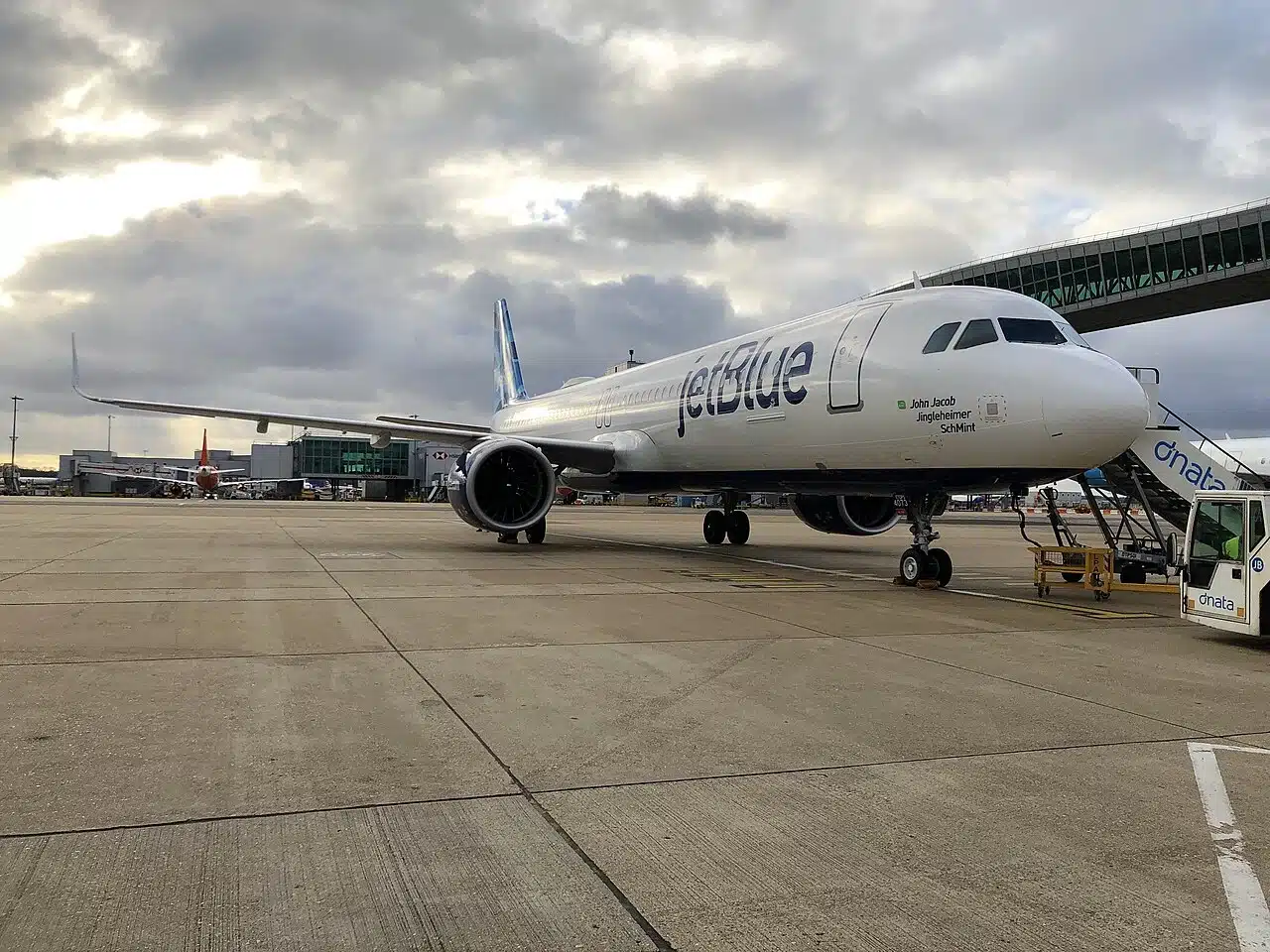
JetBlue will launch Mint flights from Newark to Las Vegas in 2026, offering lie-flat seats and premium service on this new seasonal route.

Spirit will be coming out of restructuring in mid-2026 with a strategy similar to Allegiant. Is this a long term play or are they still looking to be acquired?
Spirit Airlines is emerging from its second bankruptcy, and for the first time in a while, the signs are pointing in the right direction. For a stretch, it looked like the airline might fold entirely or get swallowed up by a competitor. That’s no longer the conversation.
Last week, the ultra-low-cost carrier announced a financial agreement with its lessors and creditors, securing the funding needed to complete its restructuring by mid-2026.
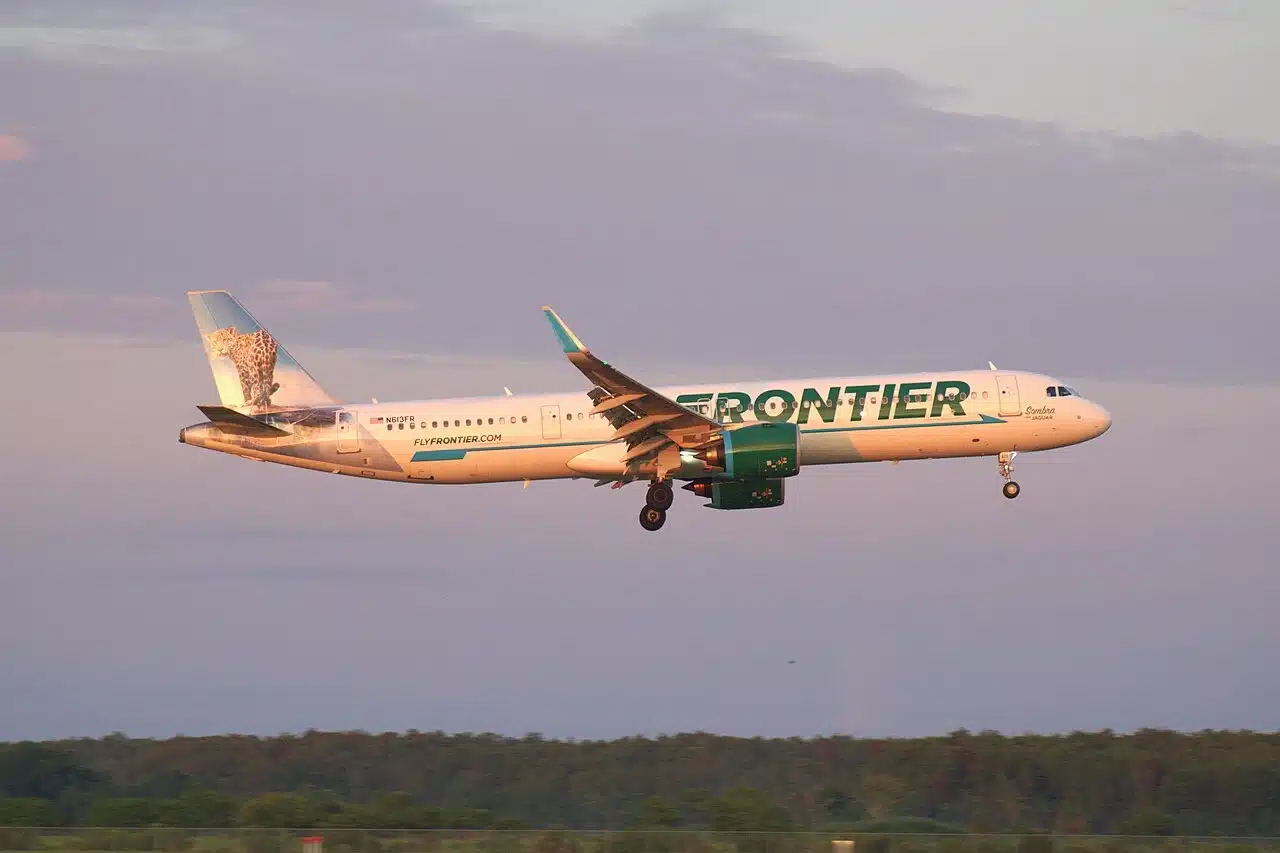
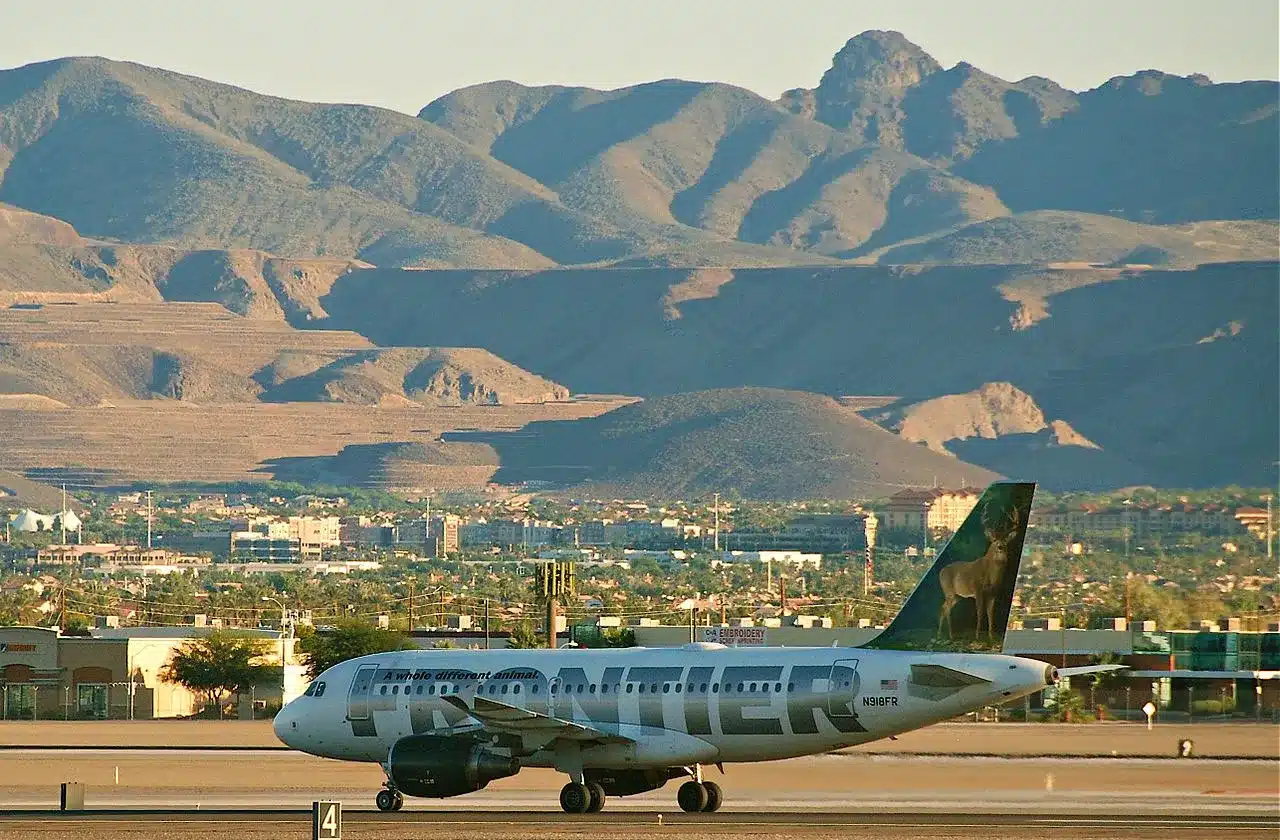
In their press release, Spirit outlined a strategy centered on performance. They are reducing aircraft leases, scaling back their off peak route network, and doubling down on premium product offerings. Interestingly, these are many of the same moves that competitor Frontier Airlines made proactively, before finding itself in the same turbulence Spirit has weathered over the past few years.
But this new Spirit isn’t shaping up to be a Frontier competitor. It looks a lot more like Allegiant Air or Sun Country direct competitor. But with one key distinction: Spirit appears to be focused primarily on the East Coast.
For die hard Spirit customers, this won’t feel like a total overhaul. But expect to feel some effects. Fewer routes, and potentially heavier marketing designed to push travelers toward premium bundles.
The bigger question is whether this strategy will actually work. Also, is Spirit building toward long-term independence, or quietly positioning itself for acquisition? Let’s get into it.
Spirit’s latest restructuring announcement was a genuine breath of fresh air. It was a win for both the airline and domestic travelers. Competition drives innovation and gives passengers real choices. The U.S. airline industry is meaningfully better with Spirit in it.
That said, securing the funding to exit bankruptcy is only part of the equation. Spirit still needs to operate differently than it has before. Here’s what’s changing.
For ultra-low-cost carriers, margins are everything. When your operating margin goes negative, the business model begins to break down. The levers ULCCs pull to stay profitable are well-known: fees on every added convenience, and cost discipline. Cost discipline starts with the fleet.
Frontier has been aggressive about this. Their fleet is consistently one of the youngest amongst all U.S air carriers. The idea is that newer planes cost less to maintain and are built with fuel efficiency in mind, which results in burning less fuel..saving money. It’s a long-term bet that pays off in the margins.
Allegiant and Avelo have followed suit. Allegiant, who has been long associated with secondhand airplanes has been transitioning to Boeing 737 MAX aircraft. Avelo is moving away from secondhand Boeing 737 Next Generation jets toward the Embraer E195-E2, making it the first U.S. carrier to operate that type.
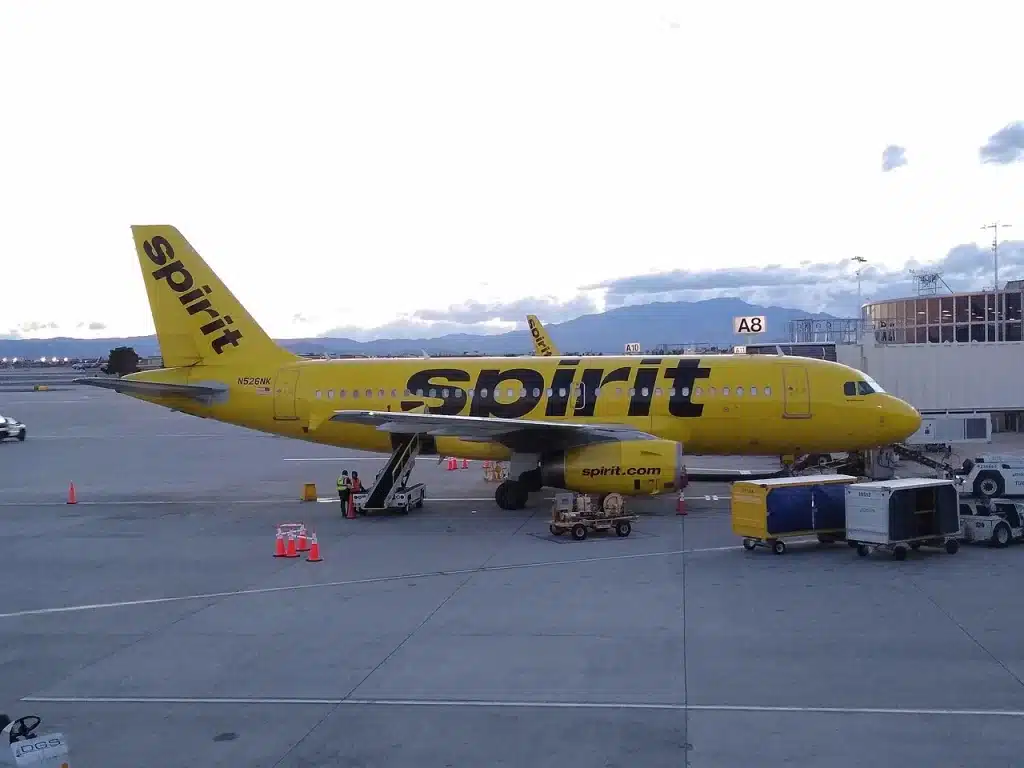
Spirit always occupied an awkward middle ground. For years, the airline kept aging Airbus A320ceo aircraft in service. Some of these airframes are nearly 30 years old. Something which Spirit identified and looked to fix, but ran into some bad luck.
They had committed to modernizing by bringing on the A320neo family, but engine supply issues derailed a significant portion of those deliveries, leaving planes grounded and orders unfulfilled.
Now surprisingly, Spirit is leaning into older airframes and offloading A320neo leases. By reducing their fleet to the CEOs, they are doing a better job of managing costs from leases for planes never fulfilled. However, all this fleet reduction comes at a sacrifice of the number of flights you can serve throughout the day.
A leaner fleet naturally means a leaner network.
Over the past year, Spirit has closed crew bases, most notably Atlantic City, and has pulled back service across a number of Midwest cities.
In their announcement they clearly stated that they’re shifting focus to East Coast strongholds: Fort Lauderdale, Detroit, New York, and Orlando . All of these cities are markets where Spirit’s routes have historically performed best with scale for the most part.
| City | Total Passenger Volume (YTD – Nov 2025) | Rank in Spirit’s Network by Passengers (YTD – Nov 2025) | Spirit’s Load Factor (YTD – Nov 2025) |
| Detroit | 1.5 million | 5 | 74% |
| Fort Lauderdale | 3.1 million | 1 | 78% |
| New York (EWR & LGA) | 2.5 million | 4 | 80% |
| Orlando | 2.8 million | 2 | 79% |
| Spirit’s Overall Network Performance | 29.8 million | N/A | 79% |
The airline has also reduced its headcount across pilots, flight attendants, and support staff, leaning further into the bare-bones operational model. Similar model to what Allegiant has built its identity around.
These changes mean one thing for travelers: expect less Spirit across the country. If you’re looking for a nationally accessible ULCC, Frontier will increasingly be your best option. Spirit is becoming something more regional and more deliberate in where and when they will fly.
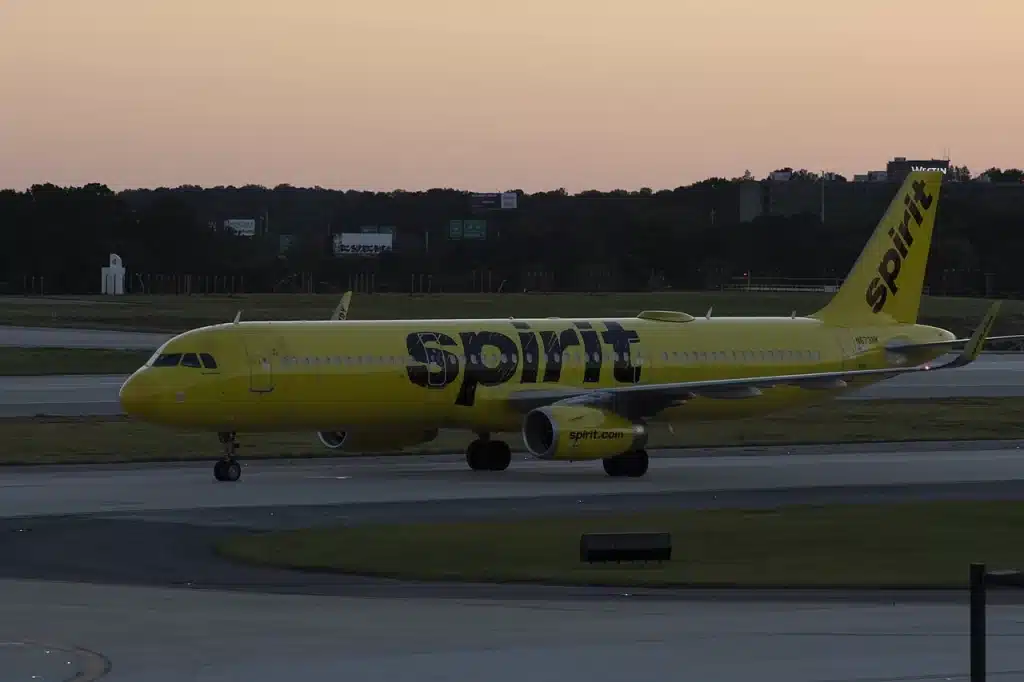
Fort Lauderdale, Detroit, and New York are Spirit’s three pillars going forward. Each one makes sense for a different reason and serves a vital role.
Reference the table below that outlines the total number of unique routes provided by Spirit Airlines from these pillar regions with data taken from Routelinq by Your Weekend Travel.
| Departure Airport | Unique Spirit Airline Routes (Q1 2026) |
| Detroit | 18 |
| Fort Lauderdale | 64 |
| New York – EWR | 19 |
| New York – LGA | 12 |
| Orlando | 44 |
Fort Lauderdale is the obvious anchor. From FLL, Spirit has a natural pipeline running the length of the East Coast and a well-established gateway into Latin America and South America. Demand is consistent, load factors are strong, and the leisure travel market there is self-sustaining.
Orlando is a given. Home to Disney World. Orlando can be considered the tourism capital of the United States. Fits right into Spirit’s wheelhouse of providing travel down to Florida for leisure.
Detroit is arguably where Spirit can experience the most growth from. There’s no meaningful ultra-low-cost competition at DTW. Delta dominates the airport, but its focus skews heavily international & hub to hub service, which leaves a significant amount of domestic leisure demand underserved, especially for budget conscious travelers.
Detroit’s large metro population combined with brutal winters creates exactly the kind of captive market Spirit can serve well. People who want to get somewhere warm and want to spend as little as possible to do it.
New York is the head-scratcher but based on the data, performs very well for Spirit. There’s no shortage of budget-conscious travelers in the New York metro area. But the execution is complicated. Frontier made a run at JFK and pulled back significantly due to high operational costs.
Spirit operates out of LaGuardia, which brings its own set of challenges: slot restrictions, perimeter rules that limit where the airline can fly, and the aging Marine Air Terminal that physically constrains any meaningful growth. We actually flew with Spirit between LGA and DTW in 2023 and felt the impact of Spirit using the Marine Air Terminal.
They also fly from Newark International Airport which functions as a quasi-hub for the airline in the New York area. EWR comes with many of the same issues for airlines flying from LGA or JFK.
Spirit’s New York presence gives them access to a high-demand market, but the structural limitations at both EWR & LGA caps the upside. Expect Spirit to work within those limits rather than push against them. In essence, don’t expect to see congo lines of yellow planes at any New York City airport like your would in Fort Lauderdale.
The strategy has been laid out for Spirit at all three airports. Prioritize major city-to-major city pairings and leisure routes to Florida. Nationally, continue to shed smaller markets and lighter-demand destinations that don’t move the needle.

The ULCC model is under pressure industrywide, and the path forward for any ultra-low-cost carrier runs through the same fundamentals: minimize costs, maximize load factors, and give travelers enough of a reason to choose you over the competition.
Spirit appears to have embraced that notion. Narrowing the network to high-yield routes improves load factor potential. And investing in premium offerings like how Spirit is doing with Big Front Seats and bundles addresses the growing expectation from budget travelers that even a cheap ticket should come with some perks.
The demand side looks reasonable too. Spirit isn’t flying to random secondary markets anymore. They’re flying to places people actually need to go. And as capacity decreases while demand holds steady, load factors should improve. Unless travelers defect to Frontier or another ULCC.
Whether Spirit can execute this strategy consistently, and rebuild enough brand trust to fill those seats is the open question and likely the biggest hurdle.
It’s worth asking what is Spirit’s end goal? Are they in it for the long run, or are they cleaning up the finances ahead of a sale?
The question feels timely given that Allegiant recently acquired Sun Country Airlines at the start of 2026. Companies tend to get their finances in order before selling. A profitable airline is far more attractive to buy than a non-profitable one.
For a while, there were acquisition rumors pointed to Frontier or JetBlue as potential buyers. But with Spirit shrinking toward the size of a mid-tier carrier, a different scenario starts to take shape.
Could an Allegiant-Sun Country-Spirit combination become a legitimate national ULCC capable of challenging Frontier? Maybe even putting pressure on JetBlue, Alaska, or Southwest?
Probably not anytime soon. The regulatory hurdles would be significant, and frankly, the industry is better served by Spirit remaining independent. More carriers mean more competition, and more competition means better outcomes for travelers.
Spirit making it through restructuring under its own power is genuinely good news. Not only for the airline but for the travelers who depend on low-cost options. The strategy is focused, the fleet decisions make sense, and the network prioritization reflects a more honest understanding of where Spirit can actually compete.
The ball is in Spirit’s court now. No one can say with certainty whether this will work. But if they commit to it, there’s a real path to Spirit, better honing in on their identity as the East Coast’s ultra-low-cost carrier, “the Allegiant of the East”, built for a different coast but the same kind of traveler.