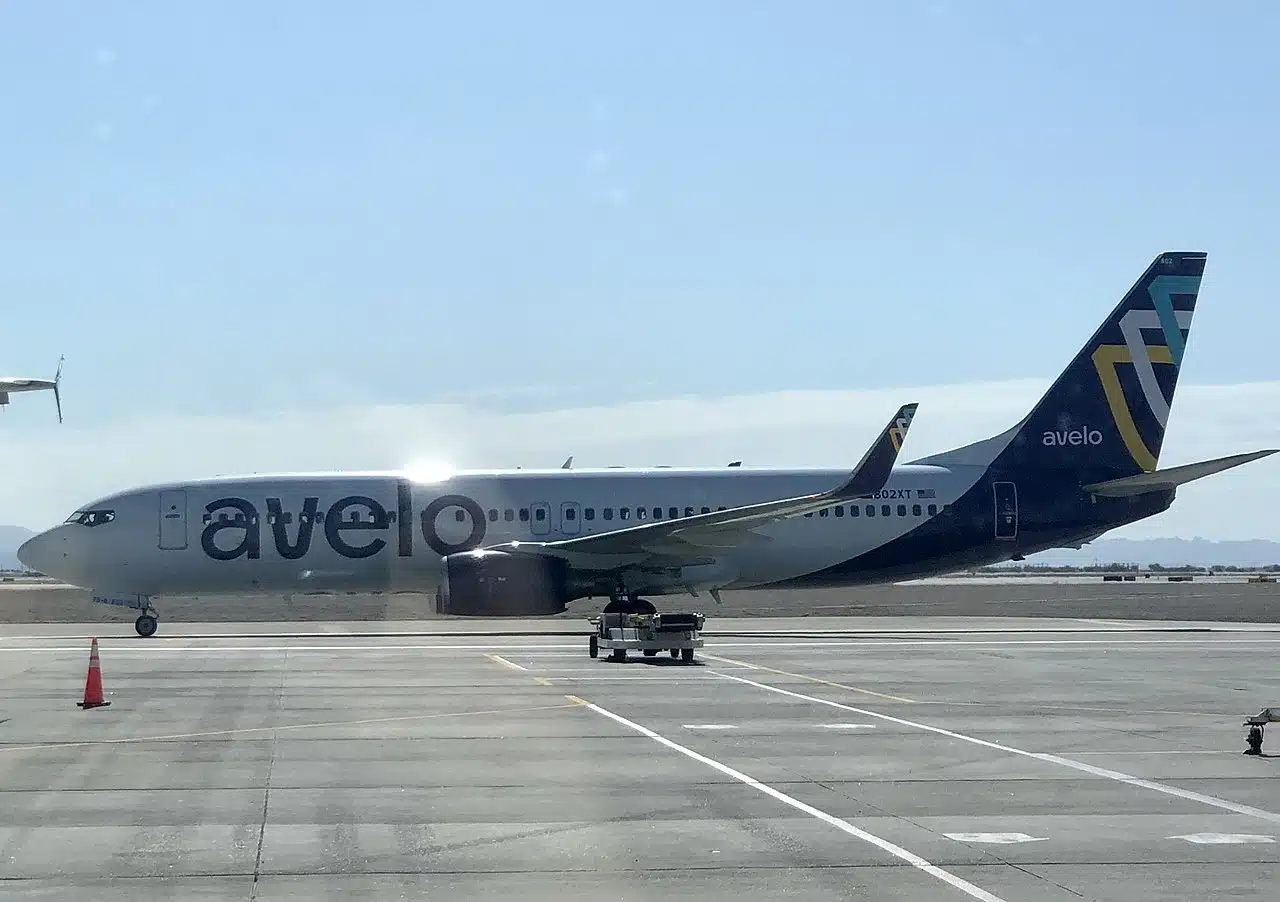
Avelo Airlines Starts Flying Between Sonoma County and Ontario.
Avelo Airlines started flying between Sonoma County and Ontario California on October 10th, 2024. Avelo provides a low cost alternative for interstate travel.

Narrowbody transatlantic travel has been a hot commodity. Now Wizz Air is joining the picture. They have applied to operate flights to the U.S.
Wizz Air UK just filed to fly transatlantic routes and they’re about to step into a graveyard. The Hungarian but London-Luton and Gatwick-based airline has filed for an operating certificate to start flights between Europe and the United States.
While filing for certification doesn’t equate to actual service right away, it could be a “just in case” sort of thing. As of now, they have only confirmed that possible operations would be charter-only at first, which is a sensible first step.
But this news comes as Wizz Air UK pulled flights to the Middle East, which eliminated a significant revenue stream from an area of the world that is booming on all cylinders. They need to fill that revenue void, and the United States could be their answer.
However, the question we all likely have is: when will these ULCC carriers learn? Ultra-low-cost transatlantic travel has proven time after time to be uneconomical.
Over the past decade, a number of European airlines have tried and failed at this model. Norwegian Air Shuttle, Play Airlines, and Atlantic Airways have all stumbled in their attempts to make this model work. Norse Atlantic Airways has made it work but has struggled due to years of financial challenges.
What makes Wizz Air think they can succeed where others failed? In this article, we’ll take a look at the challenges, explore what their product may look like, and make a first prediction of where they would likely fly in the U.S.
If you would like to learn more about transatlantic travel on narrowbody planes, check out our guide here.
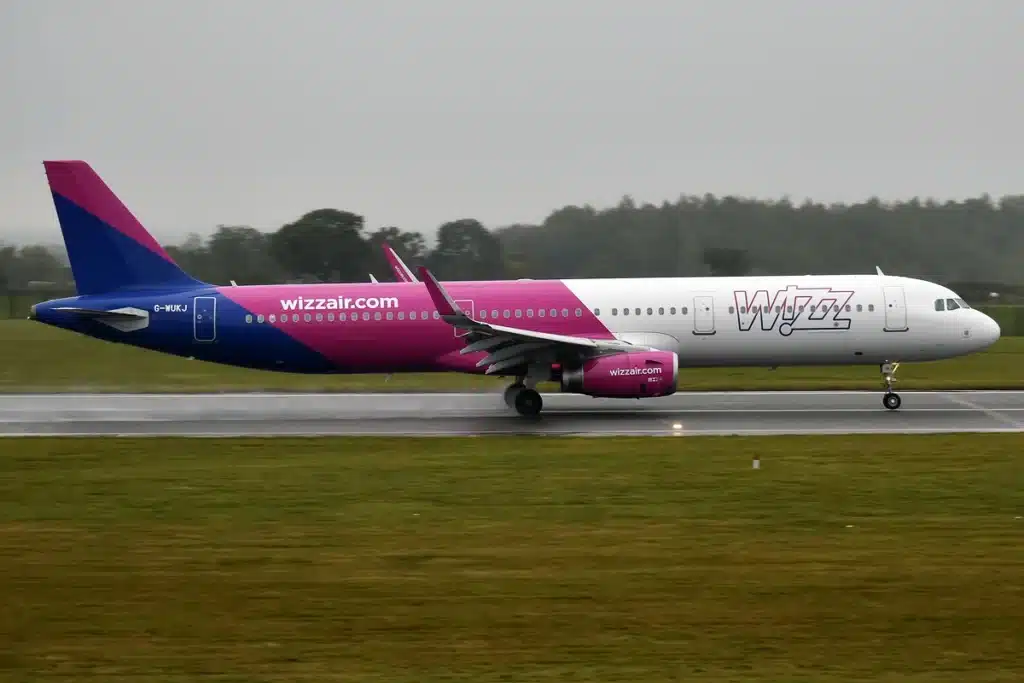
Ultra-low-cost carriers are already struggling in the domestic U.S. market. Several airlines have pivoted their strategies from offering rock-bottom fares toward offering more quality and frills. It’s hard to imagine this wavering business model being successful, applied to relatively low-yield transatlantic routes with just one or two daily flights. The economics just simply won’t work.
The demand for transatlantic flights is there.That’s not the problem. U.S. legacy carriers and Europe’s major airlines successfully fly these routes with widebody planes from major airports on both continents. These airlines are large enough to absorb the higher operating costs like fees at airports such as Heathrow, JFK, and Newark. The passenger volume in the surrounding major cities and these airlines’ large feeder networks help support them on these routes.
Unfortunately, ultra-low-cost carriers don’t have that luxury. Norse Atlantic Airways bypasses the major airports completely, opting for London Gatwick instead of Heathrow.
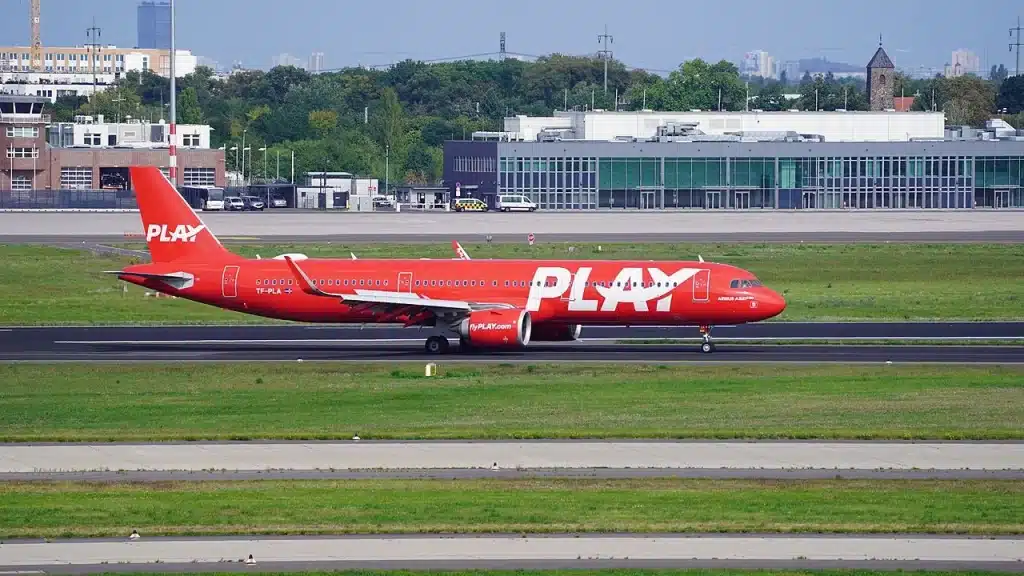
Play Airlines once used Stewart International Airport in Newburgh, New York, which is an hour away from Manhattan. Landing fees at JFK cost airlines $7.43 per 1,000 lbs, while at Stewart, that cost is $1.40 per 1,000 lbs. That’s a major difference. Just one of the reasons why they simply couldn’t make the economics work at JFK and didn’t bother even attempting.
The economic environment these types of airlines face just isn’t made for daily, sustainable operations.
Also, consider what happened to Norwegian: In 2018, their load factor dropped from 87.5% to 85.8% as they flooded the market with widebody capacity they couldn’t fill. Despite carrying millions of passengers, they posted a NOK 1.6 billion loss in 2019 and that was before COVID delivered the final blow.
The only real benefit as of late these airlines attempting narrowbody transatlantic flying have is the rollout of planes like the Airbus A321XLR, which was designed specifically for this type of flying.
Airlines no longer need widebody planes to fly across the Atlantic. They also don’t need to miss out on revenue by sticking extra fuel tanks in planes, which eliminates space for passengers. They are simply more cost effective to operate.
Also timing. Wizz Air UK is likely anticipating the overflow of demand for transatlantic travel to the United States due to the 2026 World Cup. The soccer event is being hosted in the United States which means countless number of soccer loving fans will be flocking to the airport looking to catch flights across the pond.
Despite all the challenges of ultra-low-cost transatlantic travel and stories of failed predecessors, Wizz Air UK does have a few advantages worth sharing.
First, Wizz Air has successfully operated ultra-low-cost long routes to the Middle East from the UK. They didn’t exit this market due to financial failure. At one point in 2024, Wizz Air carried 3.5 million passengers to Abu Dhabi, which accounted for 25% of the point-to-point traffic.
They simply made a strategic decision that the U.S. market offers greater economic potential. Also, the desert heat was wreaking havoc on their fleet’s engines. Their planes had three occasions of engine failures in the region. Both of these are huge distinctions from carriers that were forced out of ultra low cost transatlantic or long haul travel due to financial reasons.
Wizz Air already operates a small fleet of Airbus A321XLRs. Previous narrowbody operators crossing the Atlantic used modified A321s that exchanged cabin space for auxiliary fuel tanks, which meant potential revenue was slashed for added aircraft range. The XLR is built for this type of flying. It has better range than what modified A321s had without the need to give up revenue-generating seats.
At the end of the day, Wizz Air’s success or failure hinges on where and when they choose to fly. They cannot afford the premium-tier international airports on the East Coast, but they also can’t settle for secondary airports like Stewart or Bradley International. While these airports offer attractive incentives to use them, they simply don’t have sufficient local demand for London service.
Wizz Air needs to study the playbook of Icelandair and Aer Lingus, both of which respectively focus on two particular airports:
Boston Logan International (BOS): Boston is a staple for European narrowbody transatlantic operations. Its large market and close proximity to Europe always make it a great choice for European carriers to offer service to and from. With the right schedule, Wizz Air could replicate Aer Lingus’s success.
Baltimore/Washington International (BWI): Icelandair’s U.S. gateway. Baltimore offers a large metro area considering it sits at the center of the Delaware-Maryland-Virginia corridor. Most importantly, there is basically no transatlantic competition to London at BWI. This lack of international competition is one of the reasons Icelandair decided to pick it. Wizz Air would be the first airline to offer nonstop London service from Baltimore.
Beyond these gateway cities, Wizz Air needs to look south. This is where they can definitely differentiate themselves from the failed transatlantic carriers. None of them decided to fly down to Florida. Only 10% of passenger traffic from London was directed toward Florida in 2023. Was the decision not to offer flight down there because of low demand or past experiences of too much supply? Could it have been large European airlines offering flights targeting premium vacationers and not the everyday holiday traveler. Easyjet or Ryanair don’t offer flights down to Florida. So budget conscious Londoner’s either had to look elsewhere for vacations, fly with the expensive main carriers, or not fly at all.
But there is so much upside. Travelers who have to deal with the cold, rainy winters in England would jump at affordable Florida getaways. If Wizz Air is able to market these flights successfully, they should be able to generate that demand.
Potential destinations would be Orlando, Tampa, Fort Lauderdale, and Miami. However, Wizz Air should fly these routes on a seasonal basis to start to refine their product and not overcommit their fleet of XLRs.
We anticipate that all Wizz Air transatlantic flights would operate from London Gatwick. However, they could better differentiate themselves by also using London Luton. Most carriers use Gatwick as their lower-cost transatlantic hub (versus Heathrow). Luton would have even less competition and result in more cost savings.
Wizz Air hasn’t announced any details surrounding their cabin product for a potential transatlantic configuration. We suspect that they won’t implement any changes from what they are currently running for their standard operations. That means passengers should expect a cramped, high-density 3×3 economy configuration for a 7-to-9-hour flight.
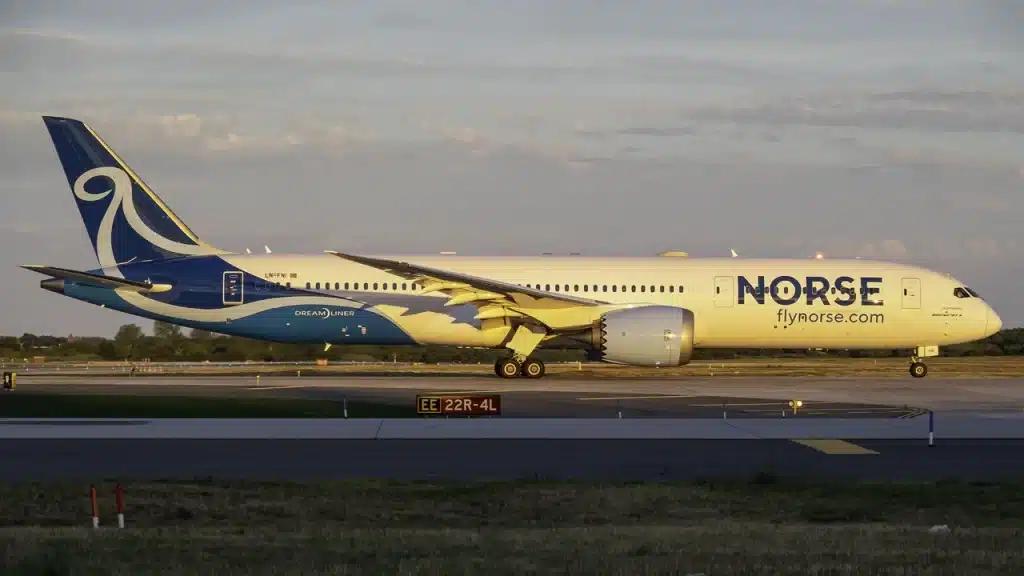
This is a red flag. Passengers may opt for Norse Atlantic Airways instead, which uses a larger Boeing 787 Dreamliner widebody plane. While Norse also has high-density seating, the widebody experience has wider cabins and offers more personal space. Something you won’t get on any narrowbody.
From a revenue perspective, Wizz Air should consider offering premium seating. Most narrowbody transatlantic operators depend on premium cabin fares to reach break-even on individual flights. This premium cabin, even if it’s just charging for extra legroom, can be the difference between generating profit or loss.
As with any ultra-low-cost carrier, expect fees and lots of them. These won’t be quick weekend trips, so packing light isn’t realistic. Anticipate charges for:
• All checked baggage
• Overweight fees for bags exceeding 50 lbs
• Seat selection
• Snacks and beverages
• In-flight entertainment (if available)
You’ll likely receive one complimentary meal, but anything beyond that comes at a price.
The table below outlines the average amount of fees passengers currently pay or once paid for flights on three European ultra-low-cost transatlantic carriers.
| Airline | Fee Charges |
| Play Airlines | $55 per passenger on average. |
| Norse Atlantic Airways | $81 to $100 per passenger on average. |
| Norwegian Air Shuttle | 182 NOK ($20) per passenger on average. |
Wizz Air UK’s potential expansion into the U.S. market is purely speculative. Filing for an operating certificate doesn’t mean it will ever happen, but their plans for a charter-first approach mean they are being cautious, which is smart.
If they do decide to launch large scale passenger service, expect initial service to either involve Boston or Baltimore. Both these cities have proved to be perfect for narrowbody transatlantic operators.
But Wizz Air can truly make a dent in the market by aggressively pursuing the Florida leisure scene. British travelers seeking winter sun would provide at least seasonal demand that neither Baltimore nor Boston can.
However, Wizz cannot ignore the graveyard of failed ultra-low-cost transatlantic carriers. Norwegian, Play, and Atlantic Airways are recent examples of carriers that tried and failed. Norse Atlantic is barely hanging on. For Wizz Air to be successful, they need to be very strategic in route selection, provide competitive pricing without destroying margins, and have the operational discipline to pivot when economics aren’t in their favor.
This could be one of 2026’s most significant aviation news stories. We’ll be watching closely and rooting for competition in the transatlantic market. Although, the odds are definitely not in Wizz Air UK’s favor.