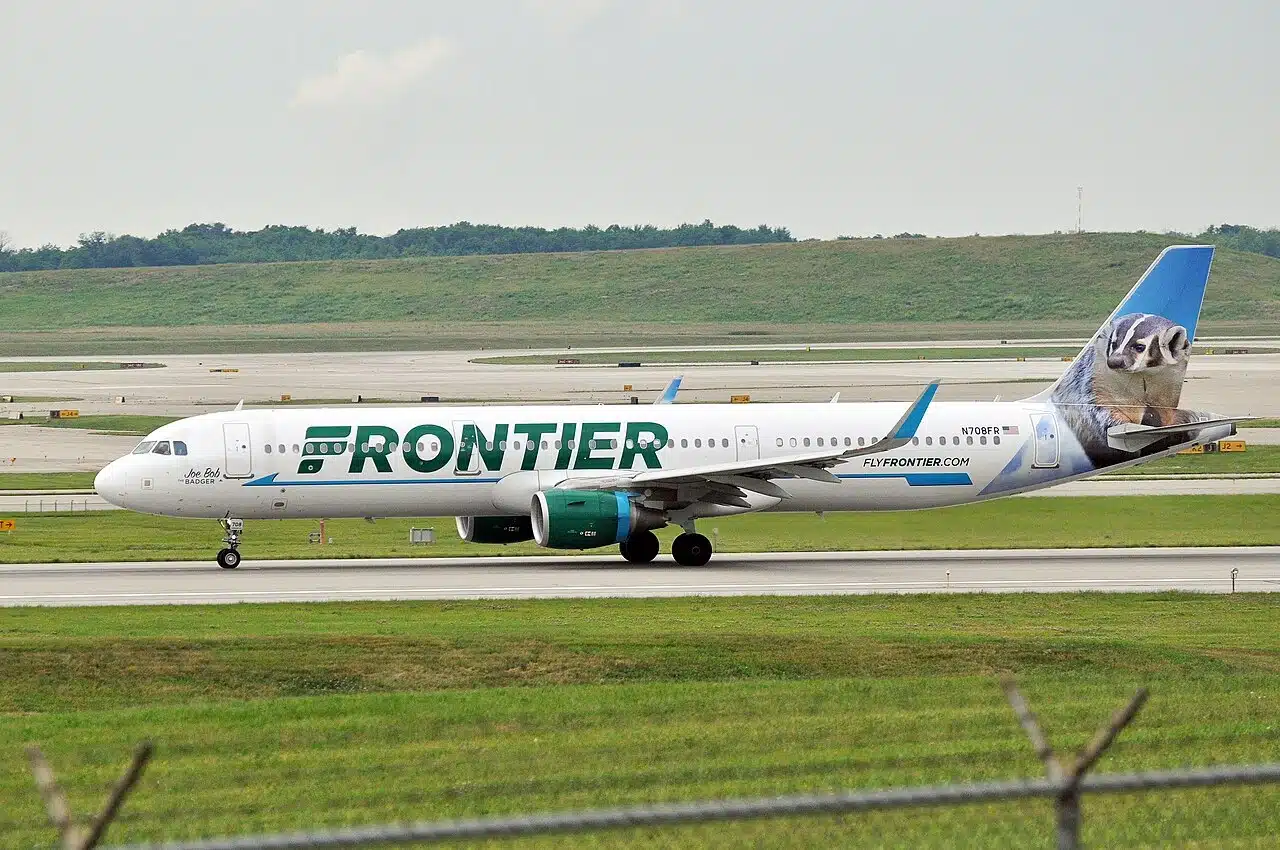
The Helpful Guide to Frontier’s Airbus A321 Aircraft
Frontier's Airbus A321 is a versatile aircraft capable of flying short and long flights. Find out everything you need to know about flying on this aircraft.

The Allegiant – Sun Country merger changes the ultra low cost landscape. If the merger goes through, a more serious player joins the market for passenger share.
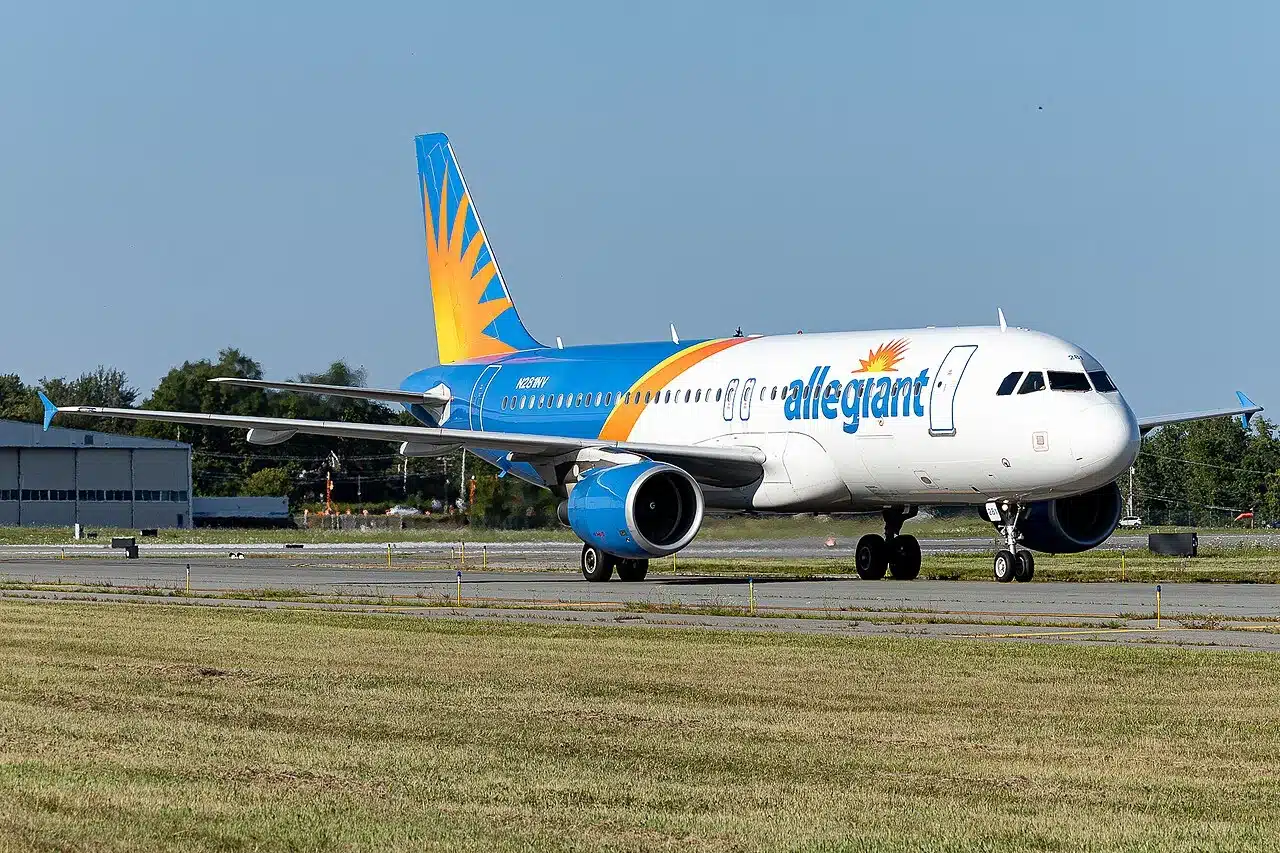
In recent news that’s pretty hard to ignore in the ultra low cost carrier landscape, Allegiant Air and Sun Country announced their intention to merge, prompted by a 1.5 billion deal agreement. Allegiant purchased Sun Country using cash and stock options. The deal now is waiting for shareholder approval and federal antitrust clearance.
Industry reactions have been pretty mixed. Some have praised Allegiant for offering Sun Country a lifeline, while others question the decision of combining two airlines that operate identical leisure focused, ultra low cost business models.
To us, this merger makes complete strategic sense. Competitors like Frontier, Spirit, and Avelo have generated headlines due to their volatility and litany of changes. Both Allegiant and Sun Country have quietly executed their business plans without the dramatics.
This merger changed that dynamic though, bringing much needed national visibility to both brands, as well as creating headaches for JetBlue Airways and Delta Air Lines.
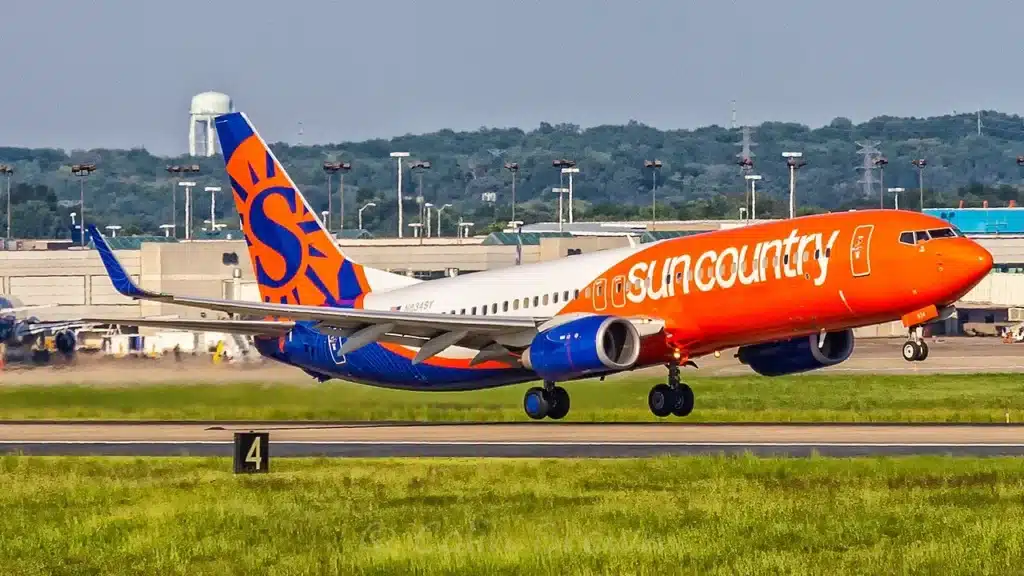
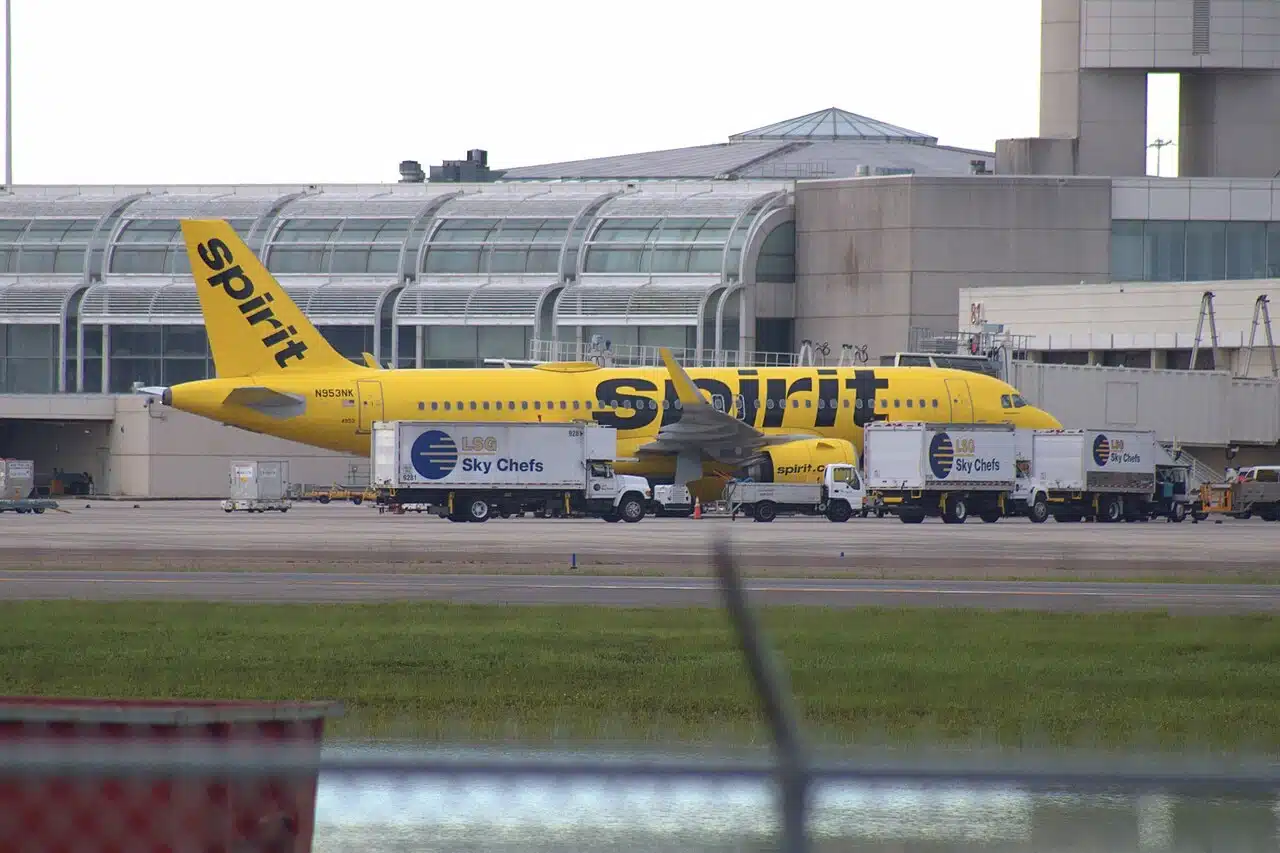
When travelers think “ultra low cost airlines”, Spirit Airlines and Frontier Airlines immediately come to mind. They’ve become synonymous (sometimes even notorious) for budget air travel in America. Allegiant and Sun Country? Not so much.
Allegiant has some name recognition, more so than Sun Country. The uninitiated may think of Allegiant Stadium in Las Vegas, home to the Raiders. But for travelers in the Northeast and other regions, both airlines remain pretty unknown. They’re regionally dominant but nationally invisible, which definitely limited their growth potential and competitive positioning.
The numbers tell the story. On Instagram as of January 2026, Frontier owns 321,000 followers and Spirit has 208,000. Allegiant trails with 189,000, while Sun Country barely registers at 29,000. This social media gap reflects a deeper market difference between the top and low players of the ULCC industry.
Through October 2025, Frontier carried 30.8 million passengers and Spirit flew 31.1 million. Meanwhile, Allegiant transported 18.1 million and Sun Country just 3 million. That means the two merging airlines combined carried only two-thirds the passengers of either Spirit or Frontier alone.
The Allegiant – Sun Country merger creates a compelling network opportunity. Allegiant’s strength lies in connecting smaller cities to leisure destinations like Florida, with a presence across most of the lower 48 states.
Sun Country operates differently, with routes spreading from its Minneapolis-St.Paul (MSP) hub to serve smaller and leisure markets nationwide.
Soon to be combined as one, this new airline can leverage Allegiant’s small-market network along Sun Country’s major hub operations at MSP. This creates a national footprint with the potential to compete with Spirit and Frontier for passenger market share.
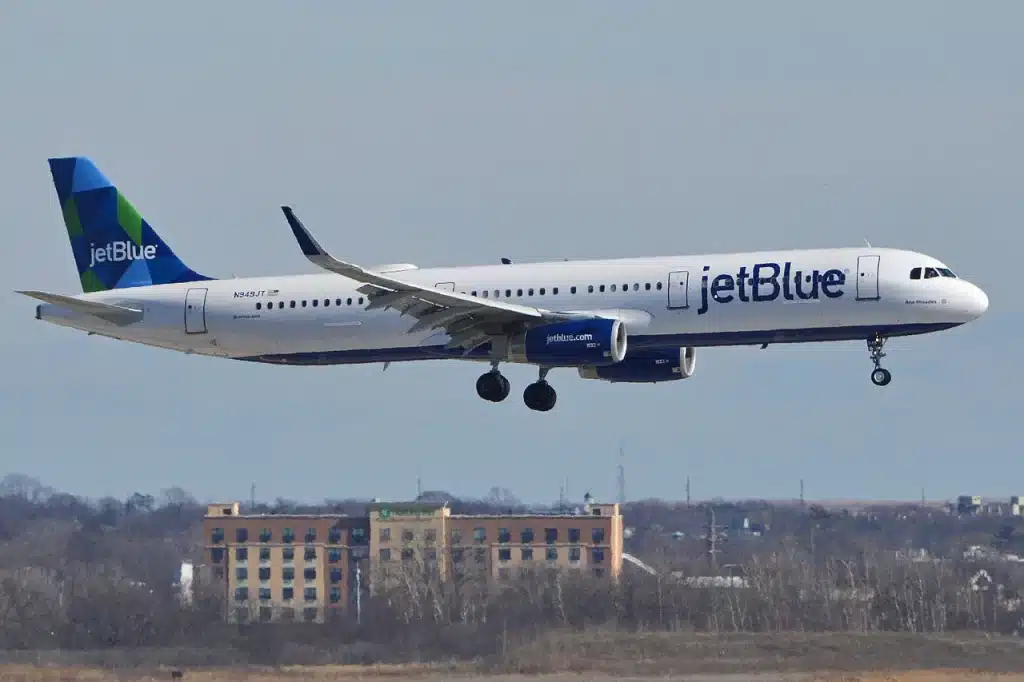
JetBlue has done a very good job promoting itself as American’s premium leisure carrier, investing very heavily in Fort Lauderdale operations and building a large Caribbean, Central, and South American network. More recently, they’ve launched a foray into transatlantic service to Europe.
But this aggressive expansion has stretched the airline thin. There was executive turnover, route cuts, and pivots in strategy.
The Allegiant-Sun Country merger creates two specific problems for JetBlue.
The low cost and ultra low cost industry here in the United States is struggling to find the right business model formula. Customers increasingly want better quality but still expect cheap fares. That is nearly an impossible balance.
Airlines have responded in two ways:
The results through October 2025 are revealing. JetBlue and Southwest who are both undergoing significant transformations posted load factors of 83.9% and 77.8% respectively. Spirit and Frontier both fell below 80%. Meanwhile, the stay-the-course airlines performed strongest: Sun Country led the pack at 85%, with Allegiant close behind at 82%.
In today’s economic climate, passengers are voting with their wallets and they’re choosing consistency over experimentation.
The merged Allegiant-Sun Country entity is betting that leisure travelers ultimately prioritize price above all else. Based on these load factors, that bet looks increasingly smart.
Sun Country’s international operations are nothing groundbreaking. They aren’t the first airline you think of flying on for an international vacation. But the merger changes that notion entirely.
Allegiant’s nationwide small-market network will now feed those international routes, making the combined airline a more credible option in the international leisure travel market.
While JetBlue maintains a significant advantage in operations over most ultra low cost carriers, the landscape is shifting.
JetBlue is competing across three different fronts and losing touch with their core identity. They provide domestic service focusing on the Northeast, transatlantic routes, and leisure flying involving Florida, the Caribbean, and the Americas. That’s a lot going on for the airline.
This might be a great time for JetBlue to revisit a merger with Spirit Airlines. The original deal fell apart when the government thought a combined airline would eliminate a major low-cost option, leaving budget travelers without a competitive option.
But now with the Allegiant – Sun Country, that may have changed. Since they’re combining to form a stronger ULCC competitor to Frontier, the market would have at least two large ultra low cost options if Spirit decided to merge.
Meanwhile, the Spirit – JetBlue combo would give JetBlue dominant Fort Lauderdale market share and significantly expand its Caribbean international footprint.
Allegiant will eventually absorb much of Sun Country’s presence at MSP. The question is..will Delta Air Lines allow this?
Delta has a very dominant 20% market share at MSP. It’s far ahead of any competitor. Sun Country, despite basing nearly all its operations from the airport, does not even crack the top five airlines by market share in Minneapolis. Delta over time has essentially ignored them as a threat.
But a larger, merged Sun Country – Allegiant airline could pull Delta’s attention. Both airlines serve many of the same destinations from Minneapolis, but there is one key difference: Delta operates year-round while Sun Country flies mostly seasonally from MSP.
Allegiant currently has no presence in Minneapolis. That means they will rely entirely on Sun Country’s existing operations from the airport.
The reality is that Delta probably won’t care enough to respond in any form of aggression to counter any added presence by Sun Country due to the merger.
However if Allegiant – Sun Country wants to be taken seriously at MSP, they’ll need to figure out how to grow beyond their “fly only when there’s demand” model and commit to more year-round daily service. With their combined resources, this may become financially feasible.
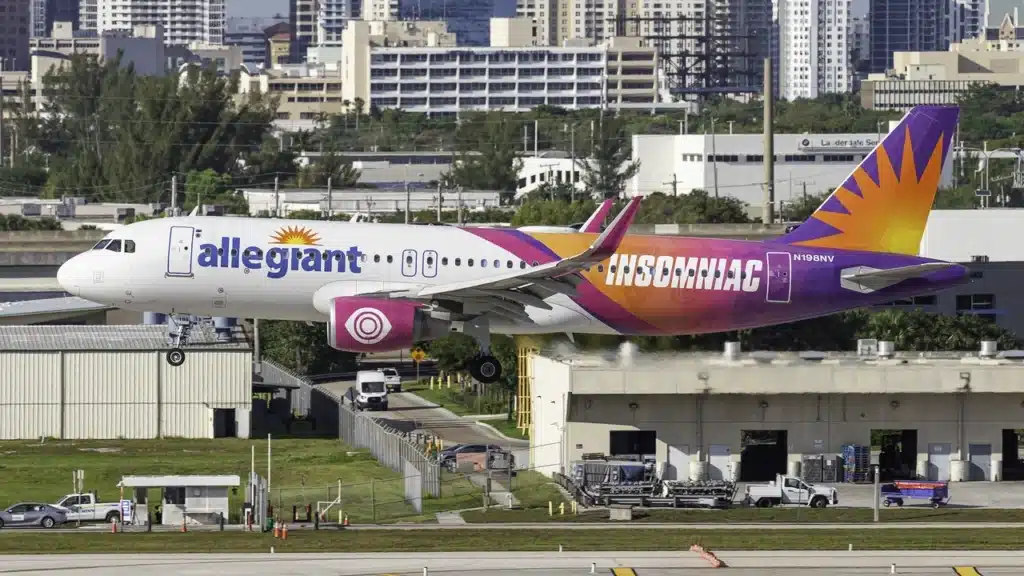
If you’re an Allegiant or Sun Country loyalist, expect virtually no disruption to normal service. These are so operationally similar that the integration should be very seamless. It’s a stark contrast to what the Spirit – Frontier and Spirit – JetBlue merger attempts brought to the table.
The benefits are clear:
Unlike those failed Spirit mergers, which would have created newer versions of airlines capable of monopolistic pricing, Allegiant – Sun Country will remain relatively modest in scale. That’s exactly why this merger should sail right through regulatory approval.
This merger helps bolster the ultra low cost leisure industry at an important moment. It shows that smaller carriers can join forces to build scale against larger low cost and legacy airlines.
For customers in underserved destinations, this merger is a positive trend. The combined airlines preserve the best qualities of Sun Country and Allegiant while expanding service options nationally.
The biggest questions left unanswered about the merger is how JetBlue and Delta will respond. JetBlue faces mounting pressure across multiple service lines, while Delta must make a decision whether this larger airline competitor at MSP needs a strategic response.
Regardless, the ultra low cost landscape has been hot and it’s getting hotter.