The Six Spirit Airlines Routes From Atlantic City
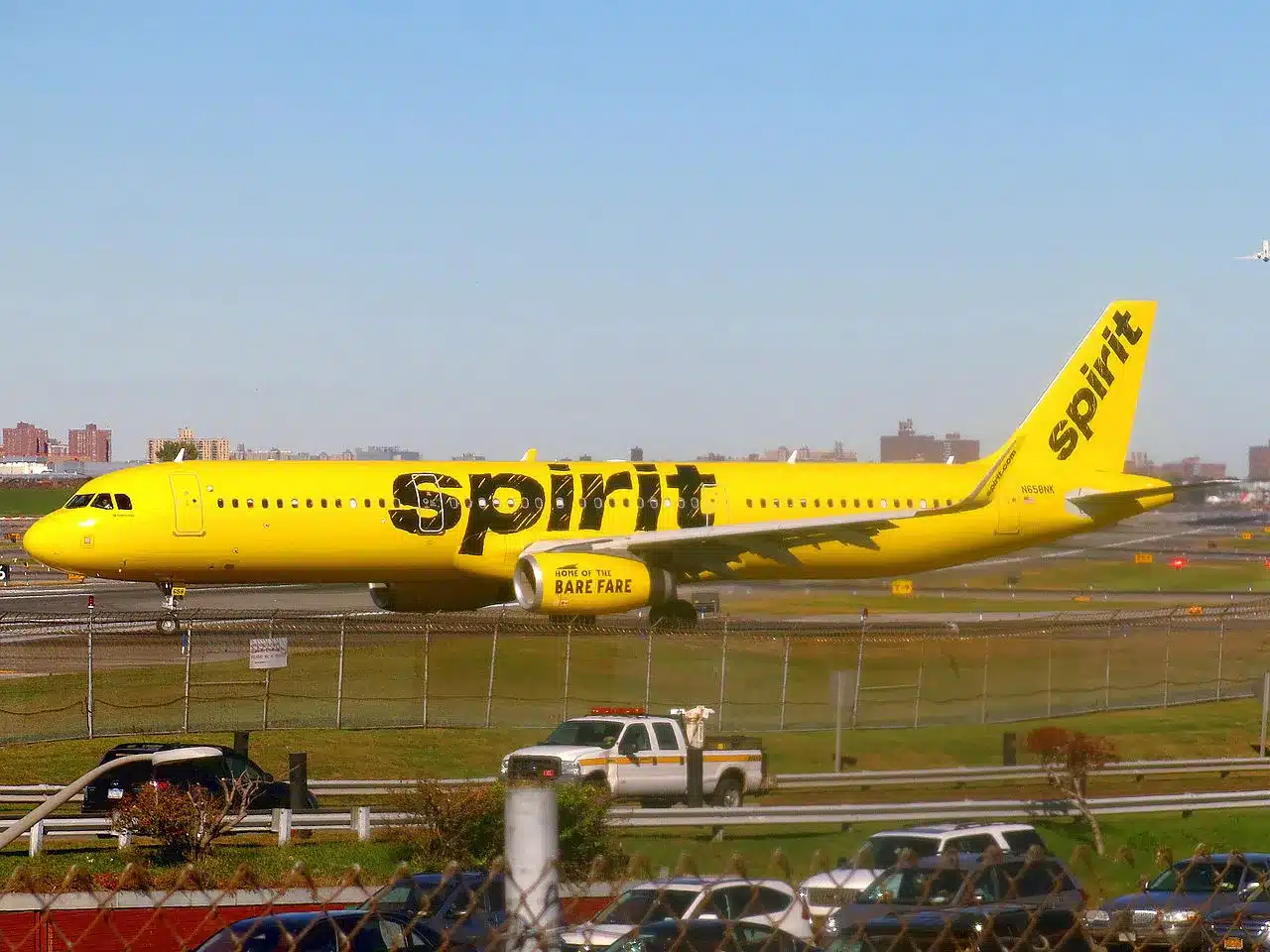
Spirit Airlines has been flying from Atlantic City since the 1980's and 1990's. Today, they are the city's only air carrier offering flights to the South.

We analyzed the top 5 secondary airports with ultra low cost service and ranked them based on average fares charged at the airport. Find out who made it.
Flying shouldn’t break the bank. Expensive air carriers like United, Delta, and Southwest dominate major airports. Ultra low cost carriers like Allegiant and Sun Country have carved out a profitable niche by operating from secondary airports, passing those savings directly to customers.
This approach allows ULCCs to offer ticket fares that can be upwards of 60% lower than airlines flying from primary airports.
Below, we’ve analyzed the five most affordable secondary airports in the United States and examined why this business model works so effectively.
If you want a broader outlook of the United States ultra low cost industry, check out our guide here.
ULCCs maintain razor thin profit margins by minimizing every operational expense. While passengers usually see this principle in the form of baggage fees and reduced amenities, the most significant cost savings for these airlines actually happen behind the scenes at the airport level.
Major airports like Los Angeles International (LAX) and John F. Kennedy International (JFK) charge premium rates for gate usage and landing fees. These costs can grow quickly for airlines operating multiple daily flights.
Also, congestion at major hubs lead to extended taxi times and departure delays. Each minute of a taxi delay burns fuel and accrues labor costs for flight crews paid by the hour.
Secondary airports offer a compelling alternative. They have lower operating fees, reduced congestion, and faster turnaround times. These operational efficiencies translate directly into lower ticket prices.
The recent situation at LAX illustrates this principle perfectly. Both Frontier and Allegiant have relocated their Los Angeles operations to nearby Hollywood Burbank Airport, showing that even established markets can become economically unfeasible when airport costs rise too high.
For our analysis, we focused on average domestic airfare as the primary metric. While airlines track cost per available seat mile (CASM) and load factors internally, passengers just care most about the bottom-line price they have to pay.
The airports below represent the lowest average fares among secondary airports with significant ULCC service.
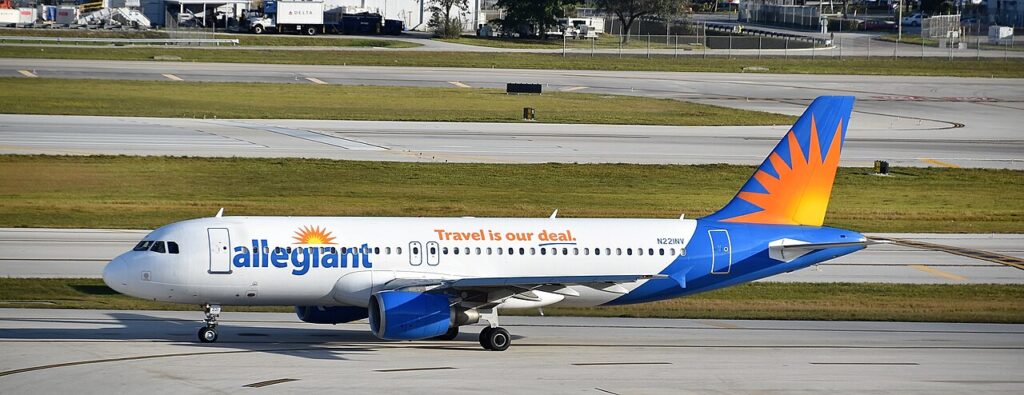
Market Position: Orlando’s secondary airport to Orlando International (MCO)
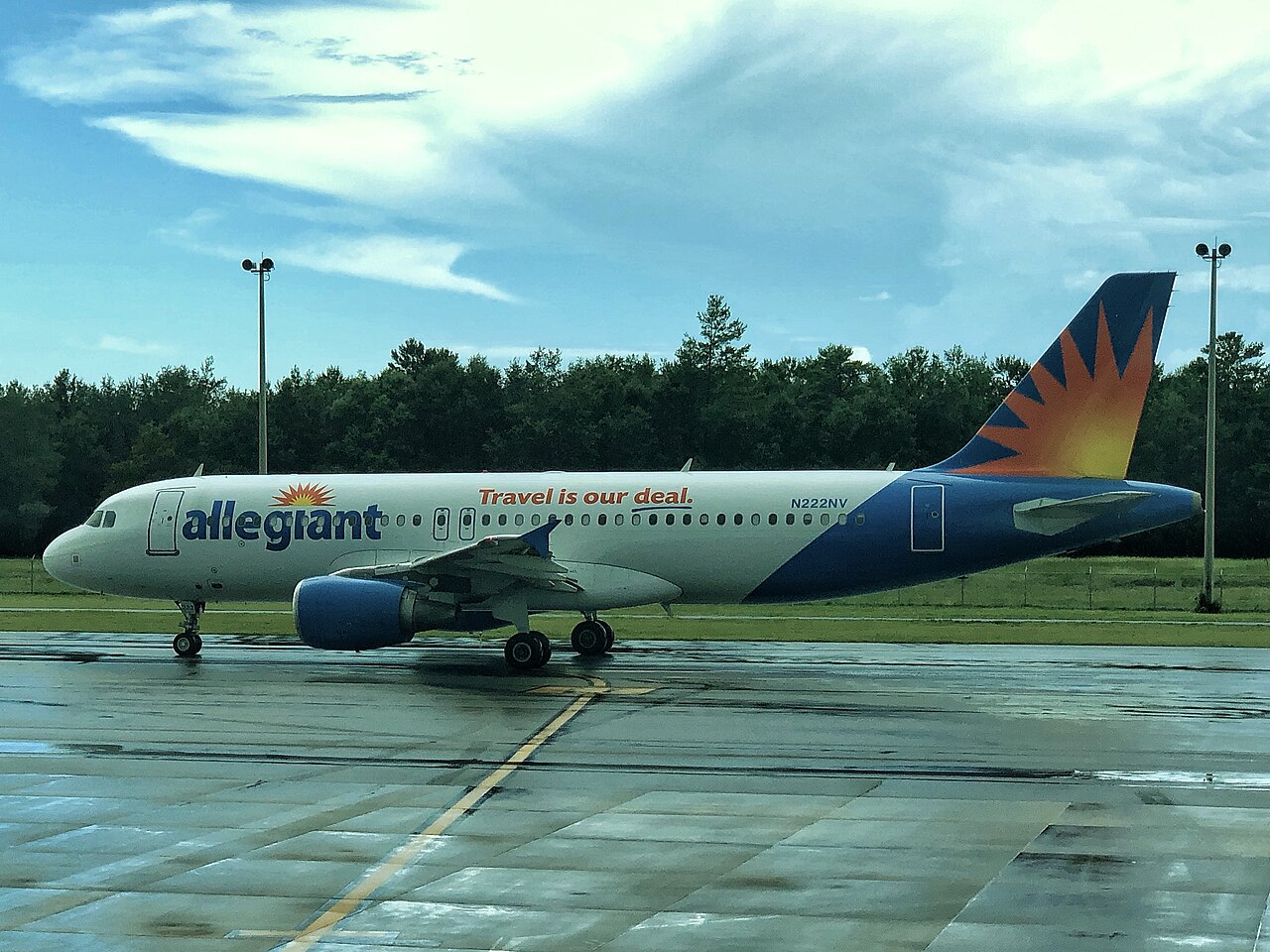
Primary Carrier: Allegiant Air (100% market share)
Orlando Sanford is the purest showcase of the ULCC secondary airport strategy. Allegiant’s monopoly at SFB eliminates competitive pressure, allowing the airline to optimize schedules and pricing without concern of rival airlines undercutting fares or running more service.
SFB’s 2024 passenger count exceeded 2.8 million, with April 2025 alone seeing over 1 million passengers. This volume demonstrates sustained demand despite the airport’s location roughly 18 miles northeast of downtown Orlando. However, this is a tradeoff that many travelers accept for significantly lower fares.
Why It’s So Cheap: Zero competition creates operational flexibility. Allegiant can schedule flights during optimal windows, minimize ground time, and avoid gate availability issues that plague MCO during peak tourist season.
Market Position: Tampa Bay’s secondary airport to Tampa International (TPA)
Primary Carrier: Allegiant Air (95% market share), Sun Country Airlines (5%)
Located on Florida’s Gulf Coast, PIE serves the Tampa Bay metropolitan area with much lower traffic than the region’s primary airport Tampa International. Allegiant flies 56 domestic routes from PIE, while Sun Country maintains a minimal presence with one year round route and one seasonal offering.
There is a massive dropoff in passenger volume at PIE compared to Orlando Sanford but it reveals a very important market reality. Tampa lacks Orlando’s theme park-driven tourism demand. But, this smaller market still supports competitive fares through Allegiant’s ultra low cost operational model.
What Makes This Work: The near monopoly status (95% market share for Allegiant) mirrors Orlando Sanford’s advantages while serving a more localized customer base rather than hugely more domestic travelers and international tourists.
Market Position: Alternative to Fort Myers International (RSW) and Sarasota International (SRQ)
Primary Carrier: Allegiant Air (96% market share), Sun Country Airlines (4%)
Punta Gorda’s transition from a mainly general aviation airport to a commercial airport shows how ULCC’s identify underserved markets. PGD now handles over 1.5 million passengers per year, with Allegiant being the primary carrier. Allegiant offers 53 destinations from Punta Gorda nationwide.
Sun Country’s single route to Minneapolis follows the company’s standard operating procedure of connecting to secondary airports while keeping costs minimal serving a specific market segment. In this case, funnel Minneapolis residents sick of the cold weather to sunny Florida.
Why This Location Works: Southwest Florida’s beach tourism creates a stream of consistent leisure travel demand without the seasonal volatility found in some other markets.
Market Position: Phoenix area’s secondary airport to Sky Harbor International (PHX)
Primary Carrier: Allegiant Air (98% market share), Sun Country Airlines (2%)
Mesa Gateway breaks the Florida pattern, demonstrating that the secondary airport model works in the Sun Belt markets beyond the Southeast. AZA generates approximately 260,000 annual passengers, which makes it one of the busiest western U.S secondary airports in the American West.
Although the airport is 35 miles southwest of downtown Phoenix which is definitely not great for traveling into. But the $154 average fare outprices what customers could get from Phoenix Sky Harbor compensates for the additional drive time.
What This Means for the West: AZA’s success suggests potential for ULCC expansion at other western secondary airports. More airports in Sun Belt markets most likely.
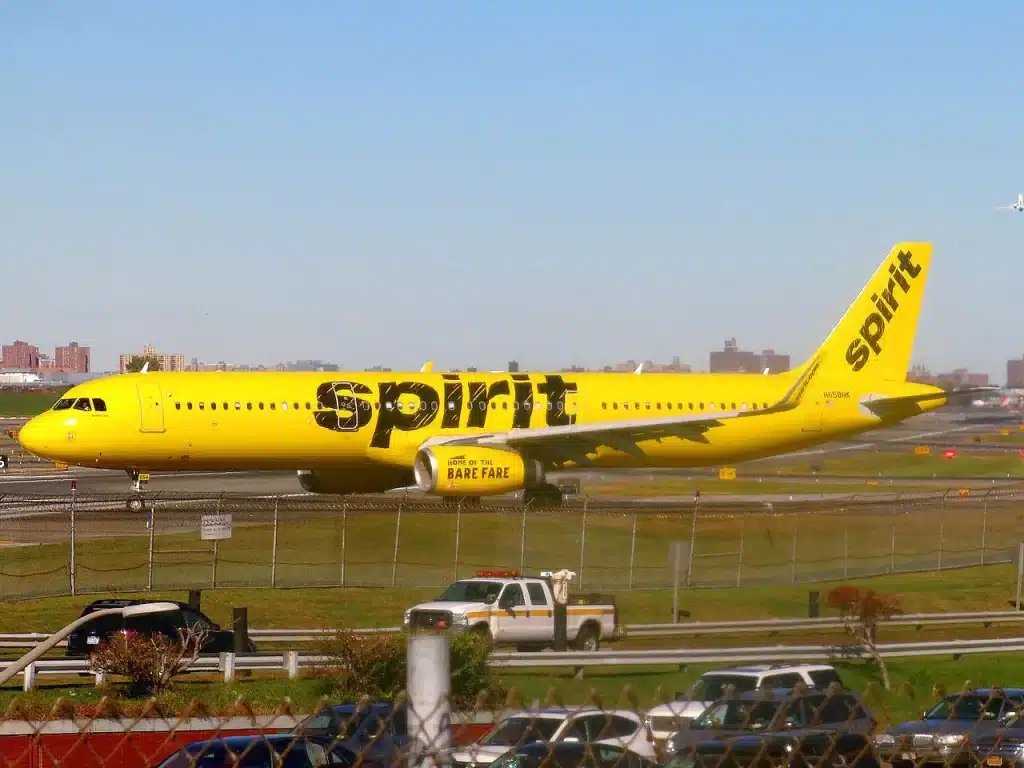
Market Position: Positioned between Philadelphia International (PHL) and Newark Liberty International (EWR)
Primary Carrier: Spirit Airlines, with smaller operations by Allegiant Air and Sun Country Airlines
Atlantic City breaks another pattern. It’s the only airport on this list that is not dominated by Allegiant. Spirit Airlines has historically been the primary operator. The airline has created a route network from Atlantic City that focuses heavily on Florida destinations. This is a limitation of using Atlantic City, especially for those looking for broader connectivity.
The airport’s location between two major metropolitan areas suggests untapped potential. However, ACY’s higher average fare ($167) compared competing airports on this list suggest either higher operation costs or less aggressively cheap pricing due to the competitive landscape.
The Challenge Here: Unlike Florida’s leisure markets, ACY must compete more directly with the extensive route networks available at nearby Philadelphia International Airport and Newark International Airport. That in itself can limit the scope of routes and pricing flexibility.
Florida’s dominance in our ranking reflects fundamental ULCC economics: these airlines thrive on leisure travel demand. Unlike larger, mainline carriers that rely on business travelers paying premium fares that can offset poor ticket sales in economy, ULCCs need maximum load factors to offset their minimal per-ticket margins.
Florida’s tourism industry provides consistent, year-round leisure demand that aligns perfectly with ULCC capacity requirements. It features theme parks, beaches, and warm weather that attract price-sensitive travelers. This is the exact demographic willing to trade convenience for savings.
Florida’s multiple secondary airports create opportunities for market segmentation. ULCCs can avoid head-to-head competition with legacy carriers at major hubs like Orlando International and Tampa International while still serving the same general geographic markets.
The prevalence of Allegiant and Sun Country at these secondary airports doesn’t really mean they’re the cheapest ULCCs overall. It means they’re the cheapest ULCCs flying under a secondary airport focused business model.
Allegiant targets routes with minimal competition. They offer lower flight frequencies (sometimes 1 to 3 times weekly) in exchange for market exclusivity. This approach works when demand is consistent but not enough to support daily service from multiple carriers.
However, this can come at a cost. If a route fails to achieve maximum load factors, it becomes unprofitable despite the low operating costs. An airplane sitting on the ground loses the company money. Allegiant’s sparse schedules at some secondary airports mitigates this risk by matching capacity to demand rather than flooding markets with daily flights.

Sun Country operates slightly differently. They concentrate on operations from its Minneapolis hub with seasonal routes to Florida.
This model ensures high load factors during peak winter months when Minnesota residents flee cold weather for sunshine. Sun Country avoids the financial drain of year-round service to markets with seasonal demand fluctuations. They offset the off season by focusing on cargo flights.
Travelers willing to use secondary airports can save lots of money compared to primary airport fares. However, this requires accepting tradeoffs in flight frequency, amenities, and airport location from the main destination city.
The success of these secondary airports demonstrate that markets exist beyond the major hubs used by legacy carriers. As airport congestion grows at these airports, so do operating costs. Expect more ULCCs, even some low cost carriers to pursue the secondary airport strategy. This will lead to more secondary airports emerging as viable commercial aviation facilities.
The ULCC secondary airport strategy hinges its success on ruthless cost minimization and precise market targeting. Allegiant Air has perfected this approach, dominating four of the five most affordable secondary airports with market share heavily tilted in its favor. These market shares enable Allegiant’s rock-bottom fares.
As air travel demand continues to grow and major airports face capacity challenges like delays, the secondary airport model will likely expand beyond Florida and the Sun Belt, creating new opportunities for affordable air travel across the United States.